Our Founder’s Story
Ethiopian Village Schools (EVS) was founded in 2011 by Birtukan Beyenssa, a native of Ethiopia and resident of California since 1988.
On a trip to Ethiopia, she decided to visit the village of Bilo (close to Ambo, which is around 80 miles west of Addis Ababa) in Oromia, where her father was born. She was taken by the warmth and fellowship of the people, but was shocked by the poor condition of the schools. Children sat on rocks in dark, moldy rooms with no windows, and hardly had any educational material. In spite of that, they were eager to learn. She returned home, determined to try to make a difference, and started the non-profit organization Ethiopian Village Schools.
After many years of tireless work as the face and heart of EVS, Birtukan has recently retired from her position.
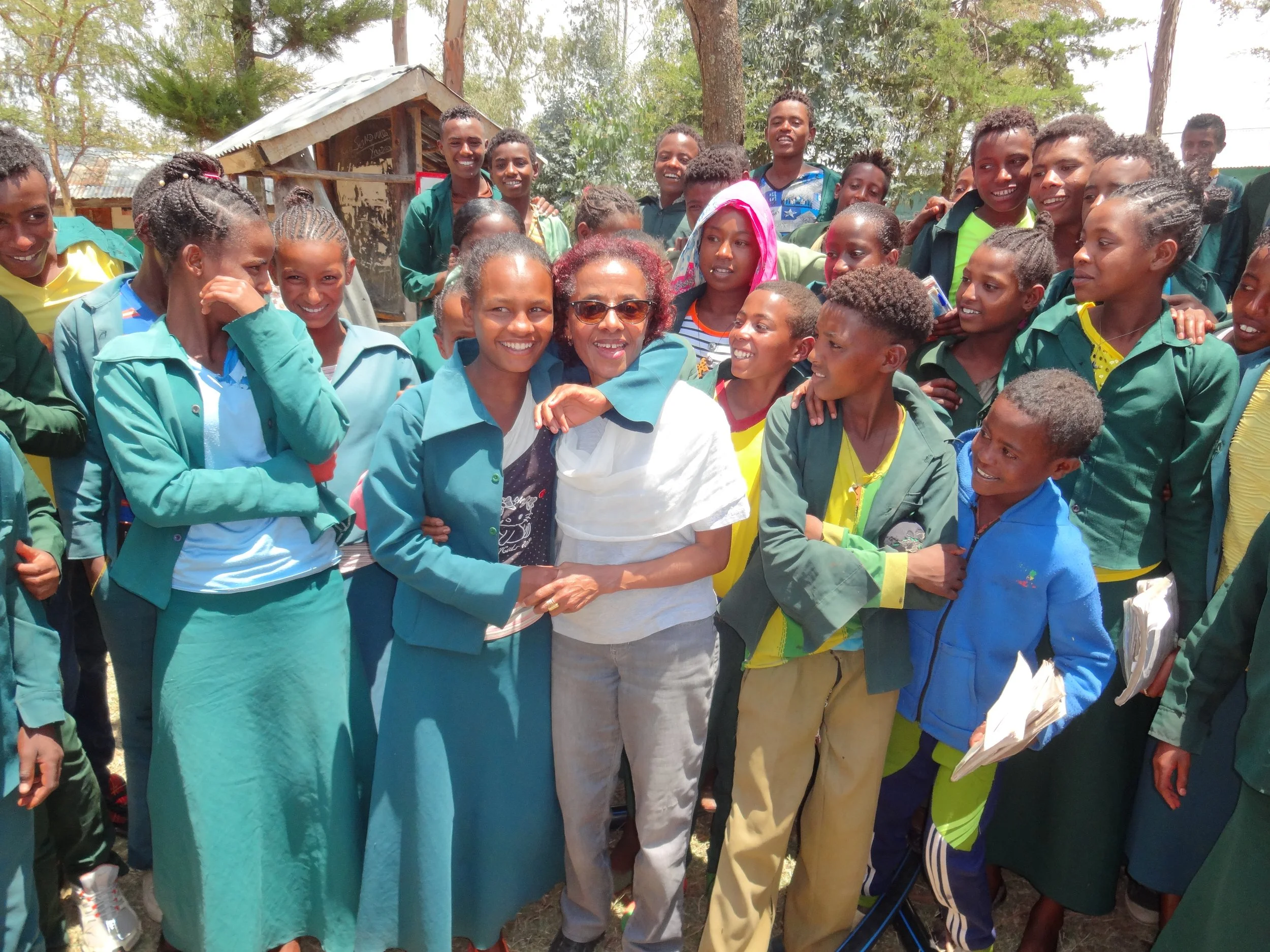
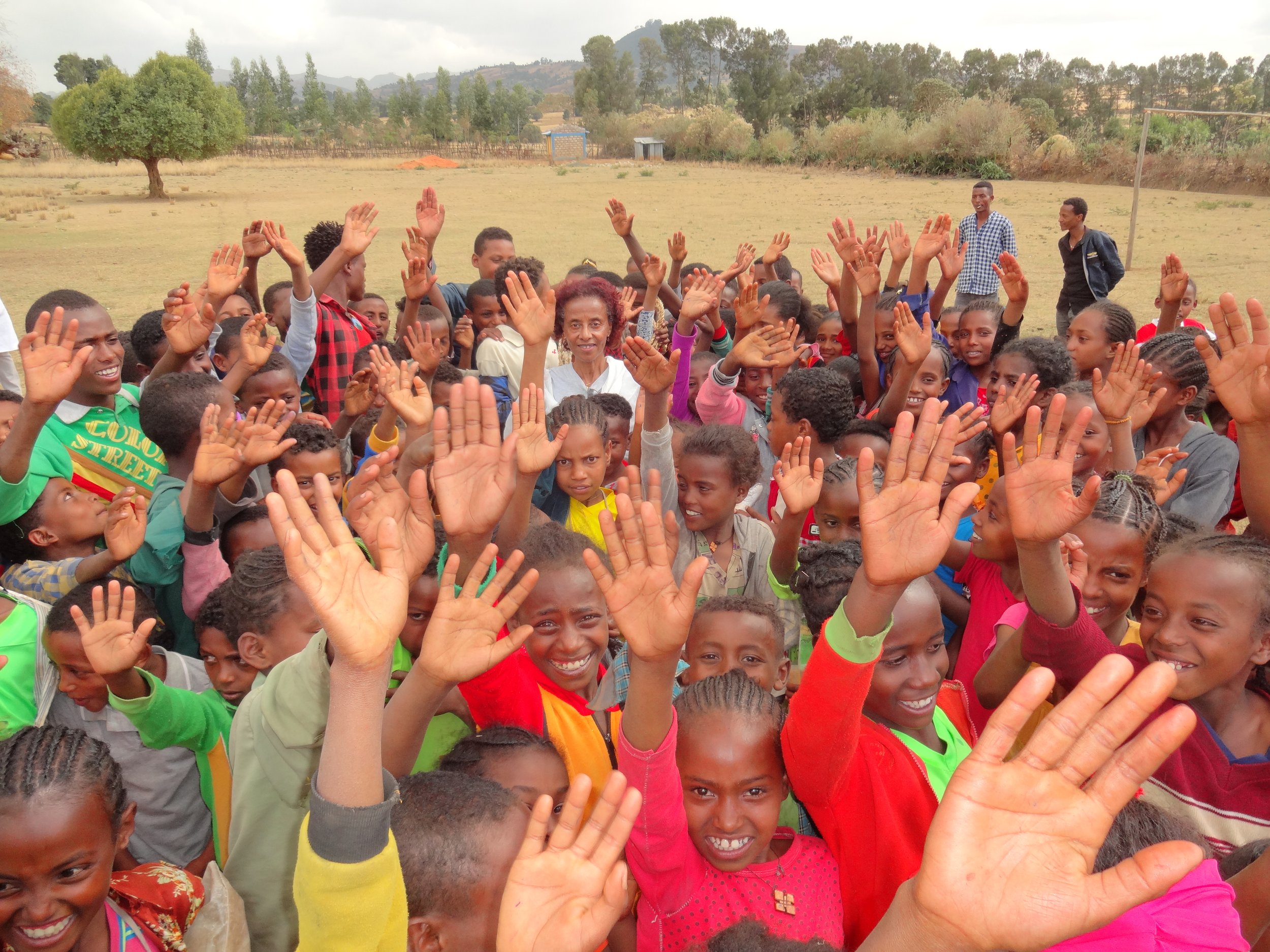
In 2011, Birtukan founded EVS to ensure that children would not have to learn in dark and unsafe classrooms anymore.
Background
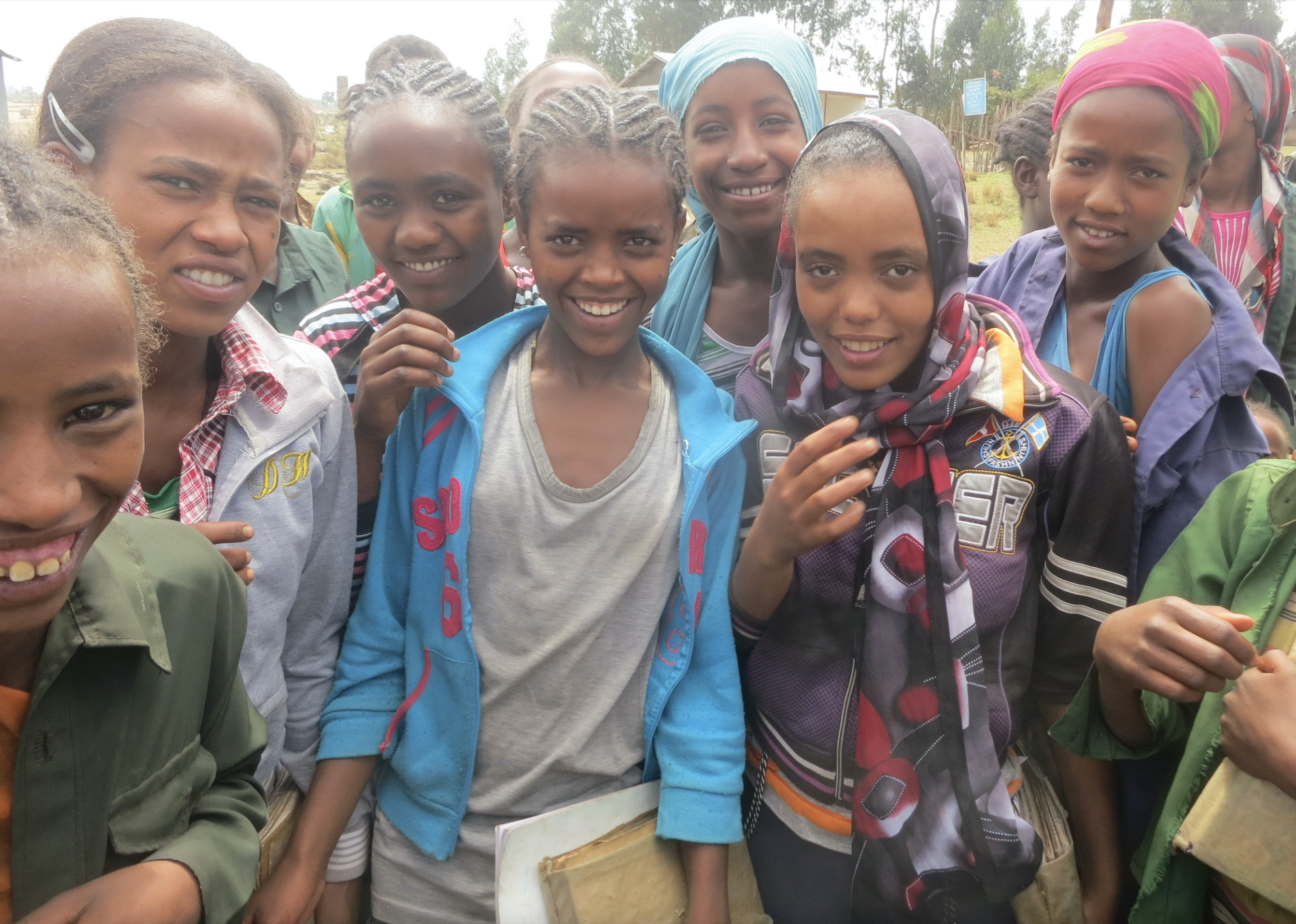
Ethiopia is home to one of the world’s oldest civilizations, yet economically remains a low income country, particularly in rural areas. In the regional state of Oromia, where EVS is involved, the average living income of rural inhabitants is around US $2-3 per day.
It is also a very young country, with the median age of the population at 19 years, as compared to almost 40 years for the US. 40% of the population is less than 15 years old, and therefore in the age range for elementary school education. In rural Oromia, school attendance among children under 15 years of age presents a significant challenge. Less than 50% of children aged 7-15 years attend school as compared to about 90% in urban areas. This low attendance rate is largely attributed to the high prevalence of child labor; by the age of ten, nearly all children are involved in some form of work, averaging almost 30 hours per week. Rural adolescents enrolled in school miss approximately 1/3rd of total school days.
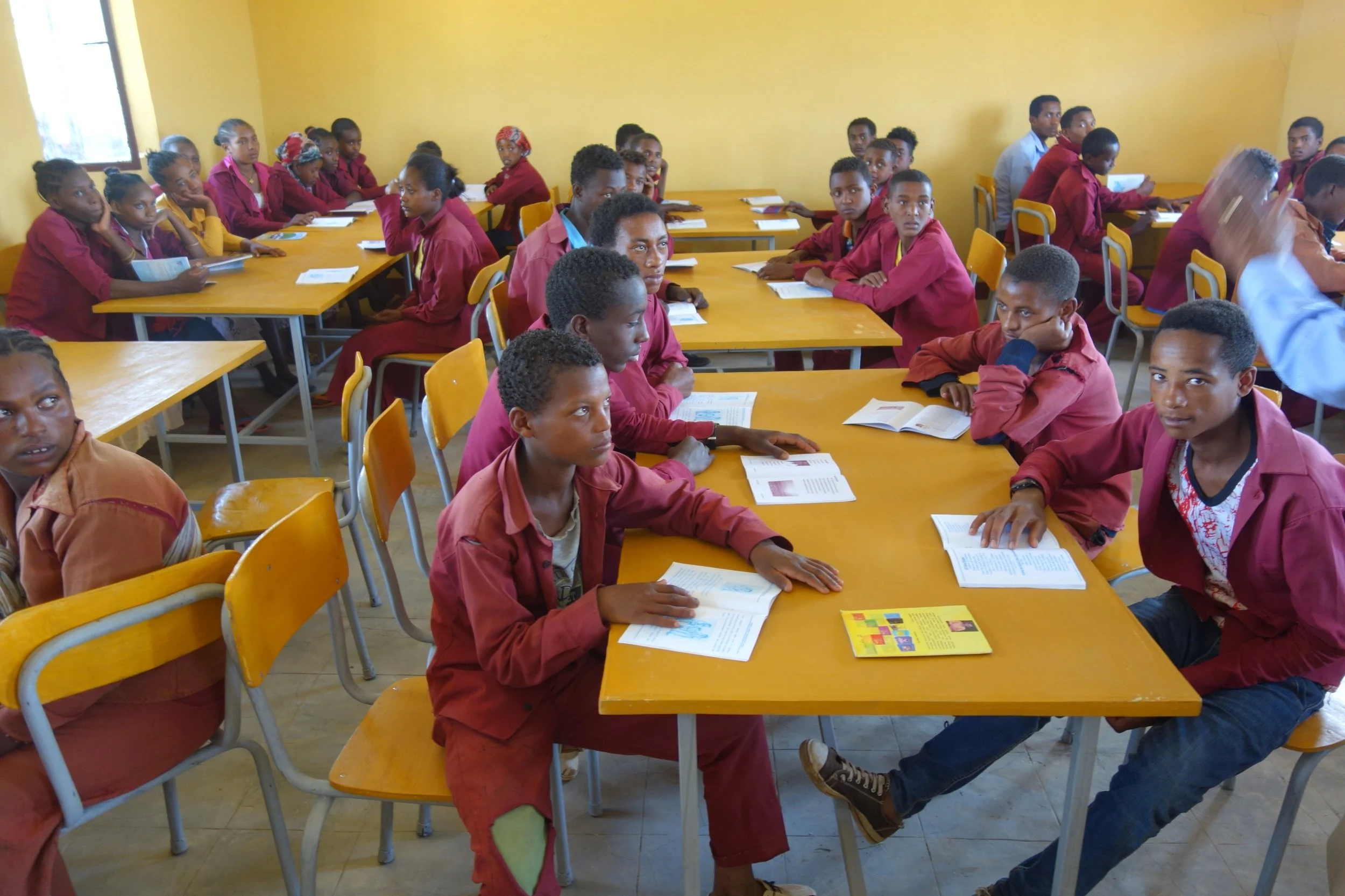
Multiple studies from organizations such as UNESCO, UNICEF, or the World Bank show that children who have received elementary school education have, among many other advantageous outcomes:
Higher lifetime income
Reduced poverty rate
Better access to jobs and lower unemployment rate
Better health outcomes
Lower rate of gender based violence
Lower rate of underage pregnancy
Reduced rate of childbirth complications
Many reasons contribute to poor school attendance in rural Oromia.
The most prevalent among those are :
-
Child labor as a necessity to assure family’s economic survival
By the age of ten, in rural areas nearly all children are involved in some form of work, averaging almost 30 hours per week.
Rural adolescents enrolled in school miss approximately 1/3rd of total school days.
Boys are more likely to engage in herding and farm work.
Girls often take on household chores and domestic duties.
-
Many children have to walk an average of 3 - 8 kilometers to and from school regardless of weather.
-
Schools on the countryside are often in extremely poor condition with dark and mold infested rooms.
Frequently children have to sit on the ground in overcrowded class rooms.
Lack of furniture.
Lack of infrastructure such as electricity or running water.
-
The average ratio of teachers to students is between 1:50 – 1:70
Often multigrade teaching
-
Scarcity of text books and other reading and educational material, especially for beginning readers.
No access to any modern educational materials such as computers, projectors, or laboratory equipment.
Often lack of even basic teaching material such as paper or crayons or note books.
-
Due to cultural sensitivities associated with menstruation, teenage girls frequently miss additional school time.
Lack of menstrual hygiene products, inadequate sanitation, and stigma are major causes of school absenteeism among adolescent girls.
A UNICEF study found that more than 50% of schoolgirls in rural Ethiopia miss 1–4 days of school per month due to menstruation.
-
In addition to all the above issues, over the last several years many schools have been closed or destroyed because of violence by armed groups.
Families fear that children will be at risk for violence, kidnapping and other hazards when walking to school.
Many families have been displaced and children will not go to school again.
Due to damages to agriculture, markets and transportation families experience more economic hardships and therefore depend more on child labor.
Children frequently develop psychological problems when exposed to violence, displacement or fear.
Girls are affected more severely by all of the above problems.
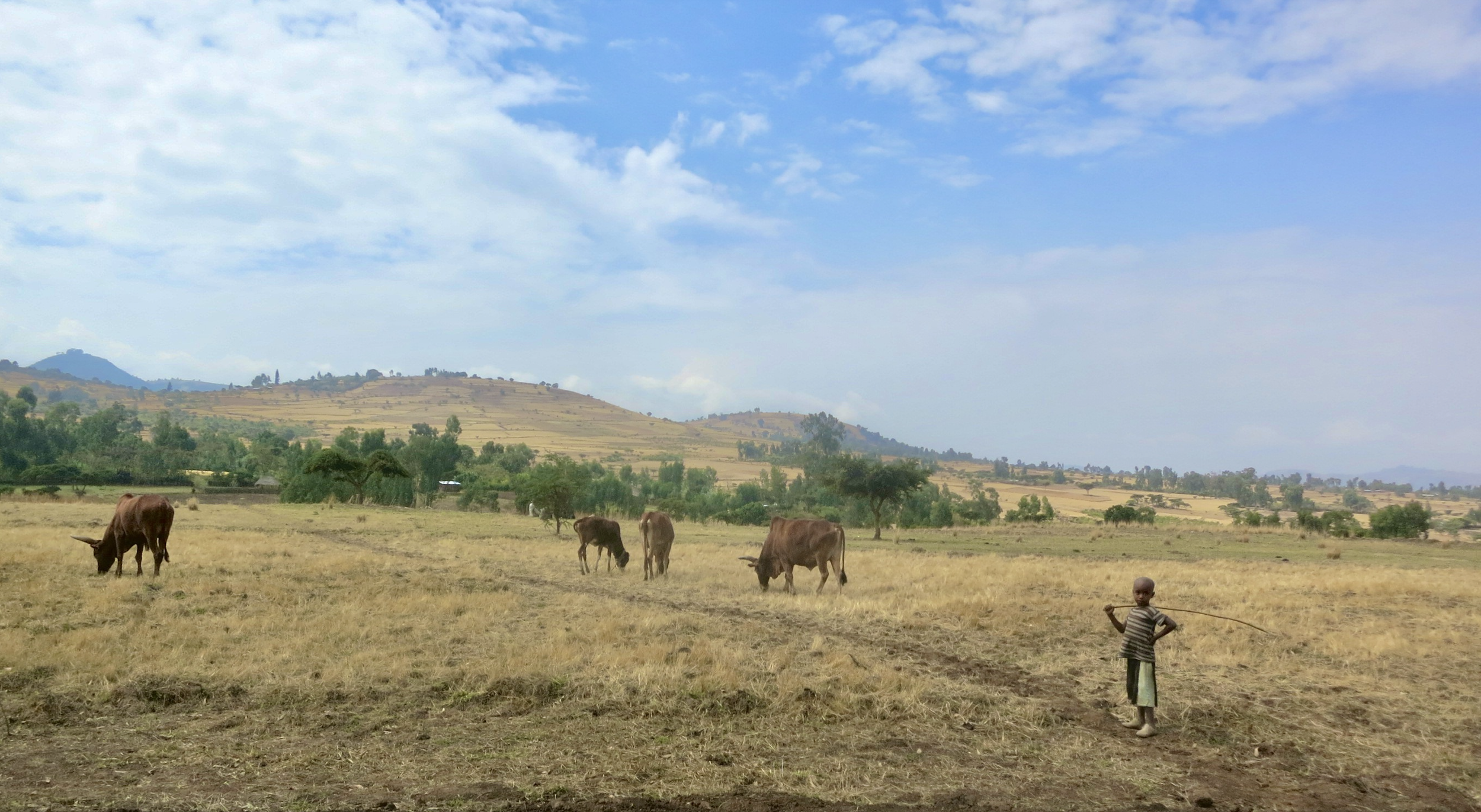
Boy herding cows
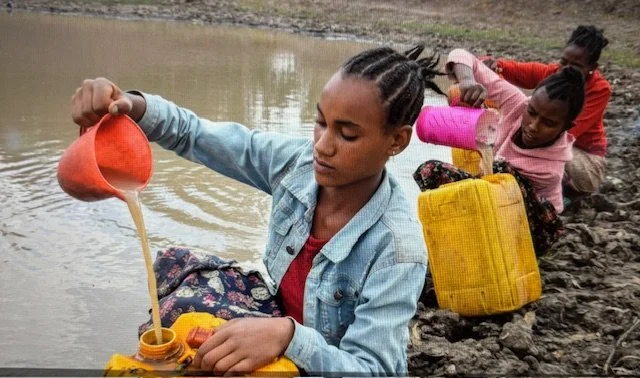
Girls fetching water
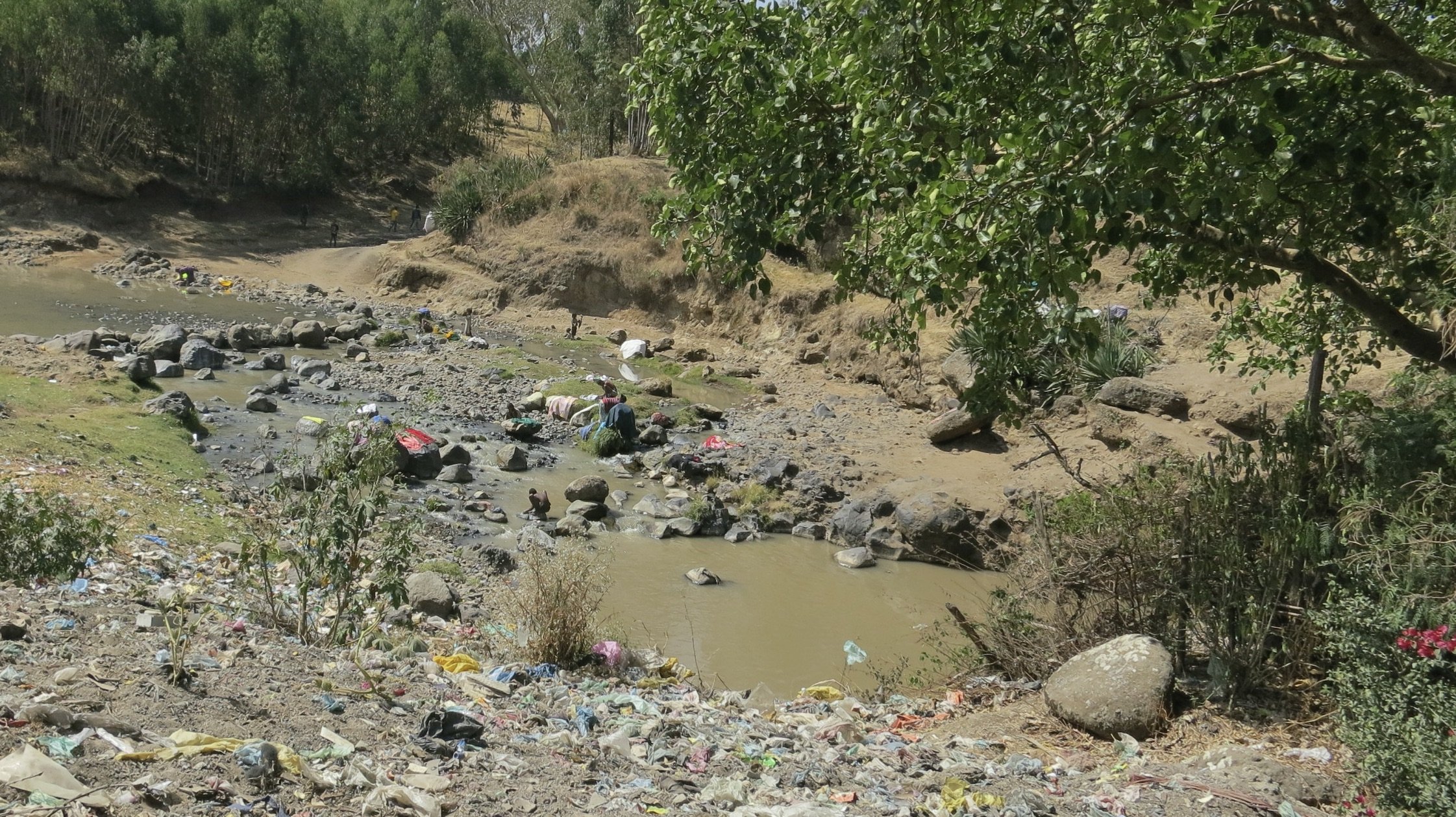
Girls washing clothes in a river
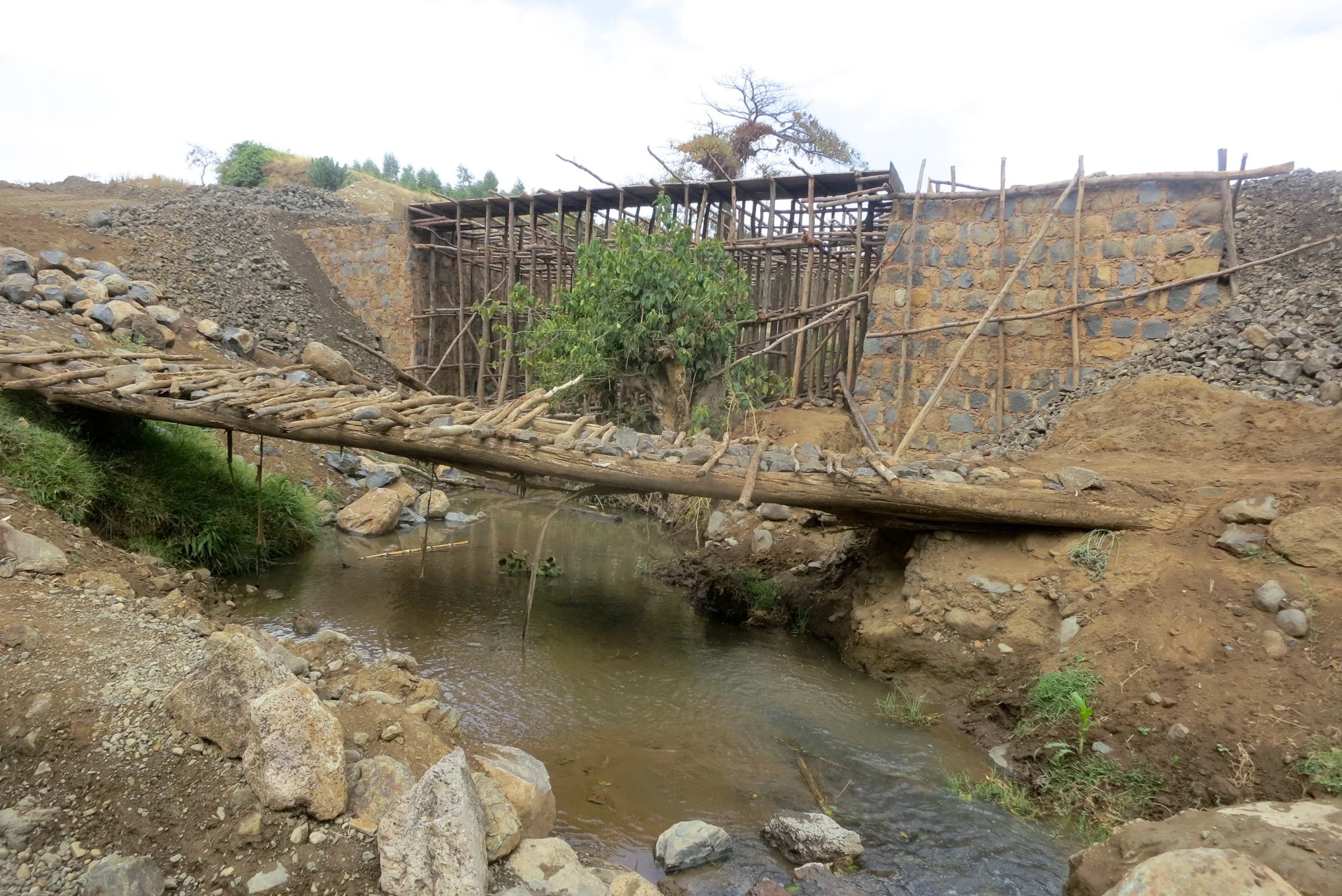
The road to school in Bilo
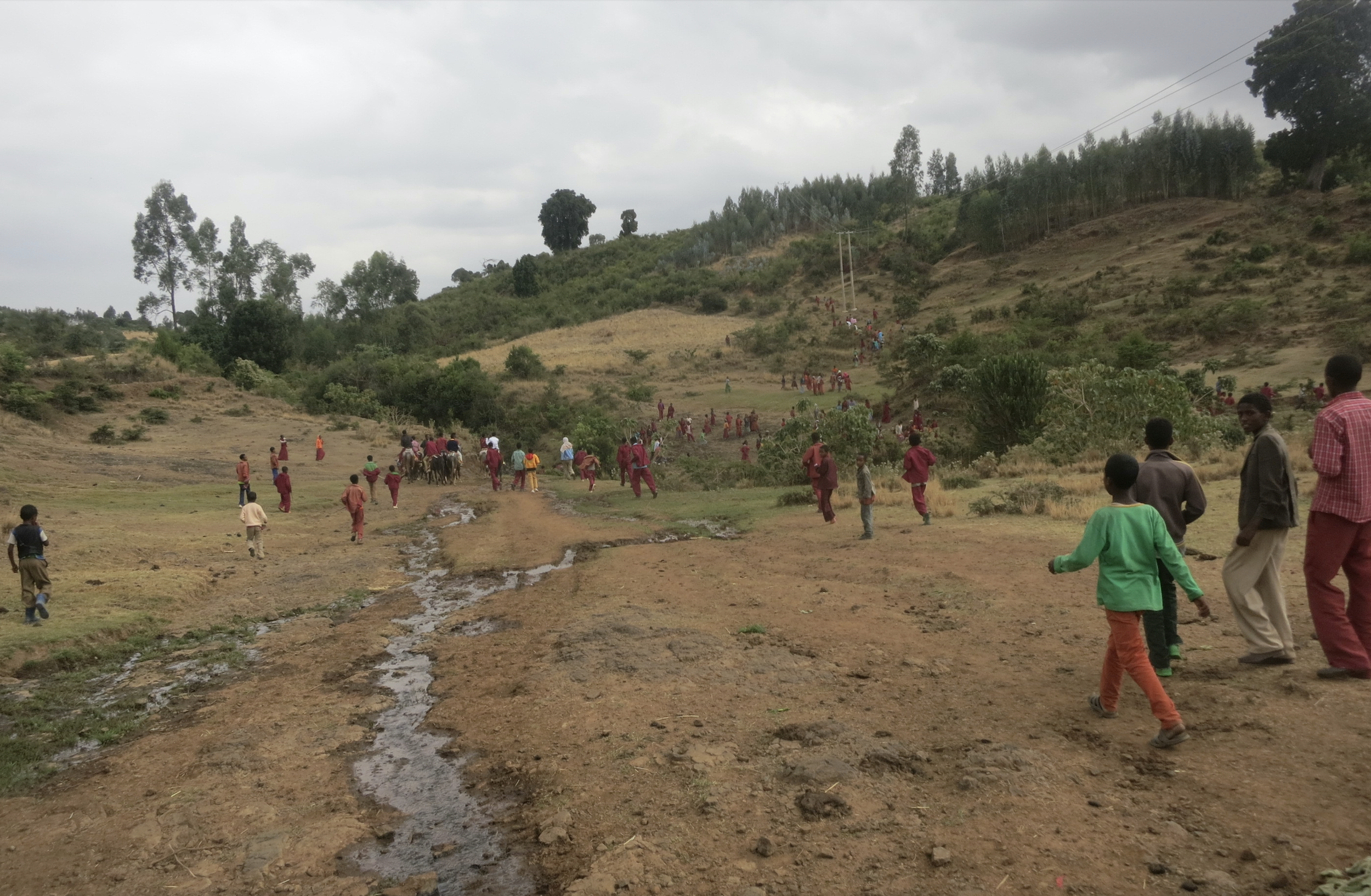
Children on the road to school
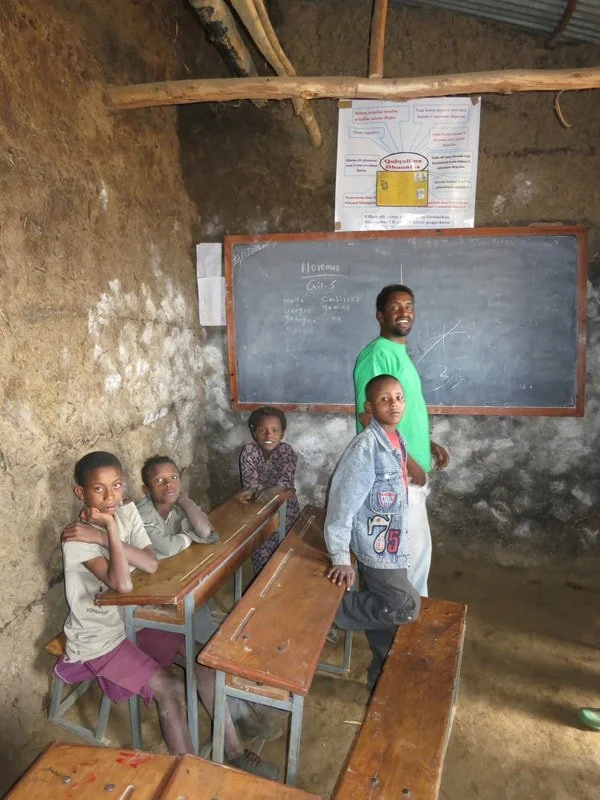
Classroom in old school with mold covering walls
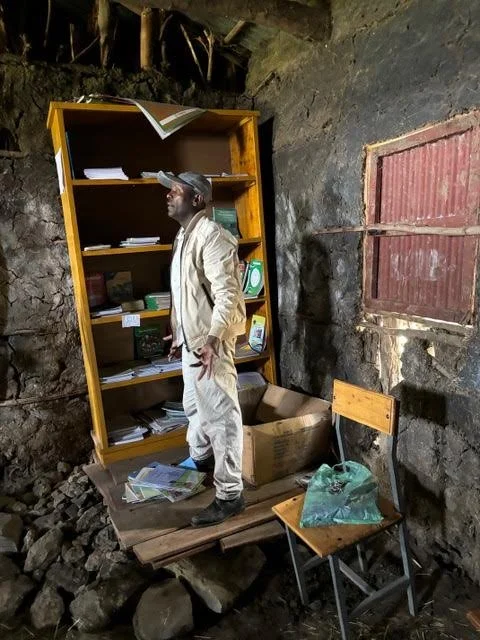
Library in old school
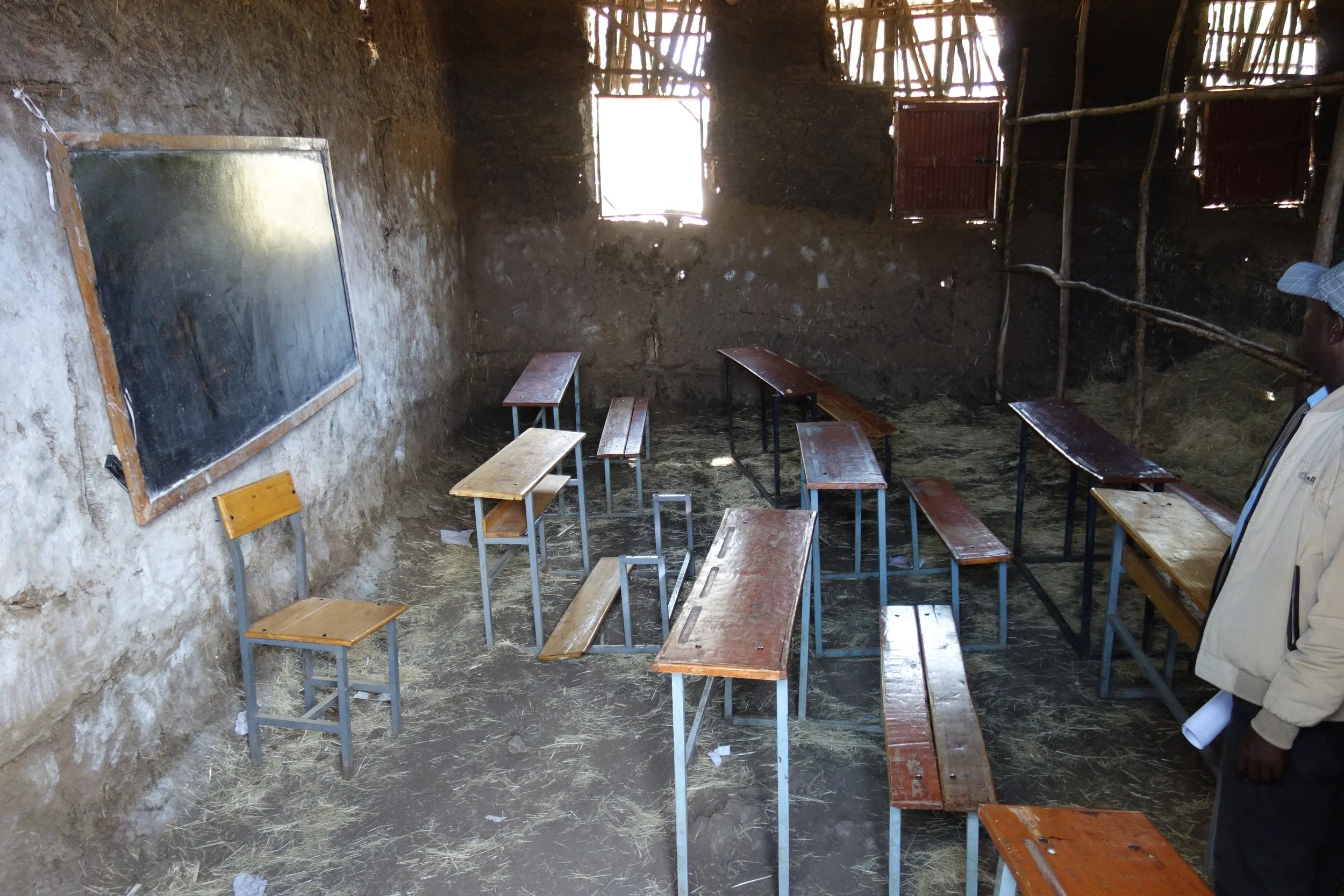
Dark and moldy old classroom
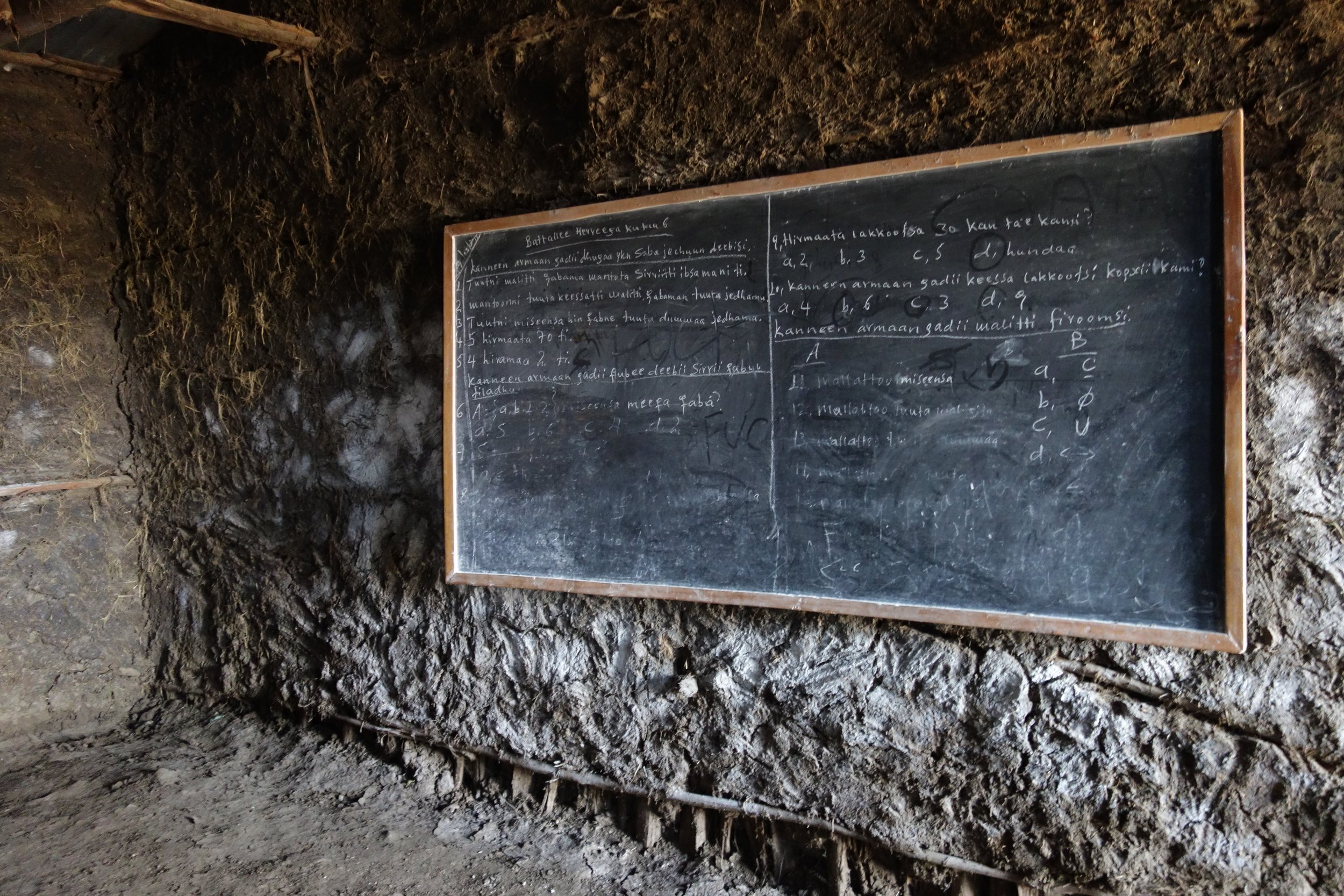
Blackboard on dirt wall
Where We Work
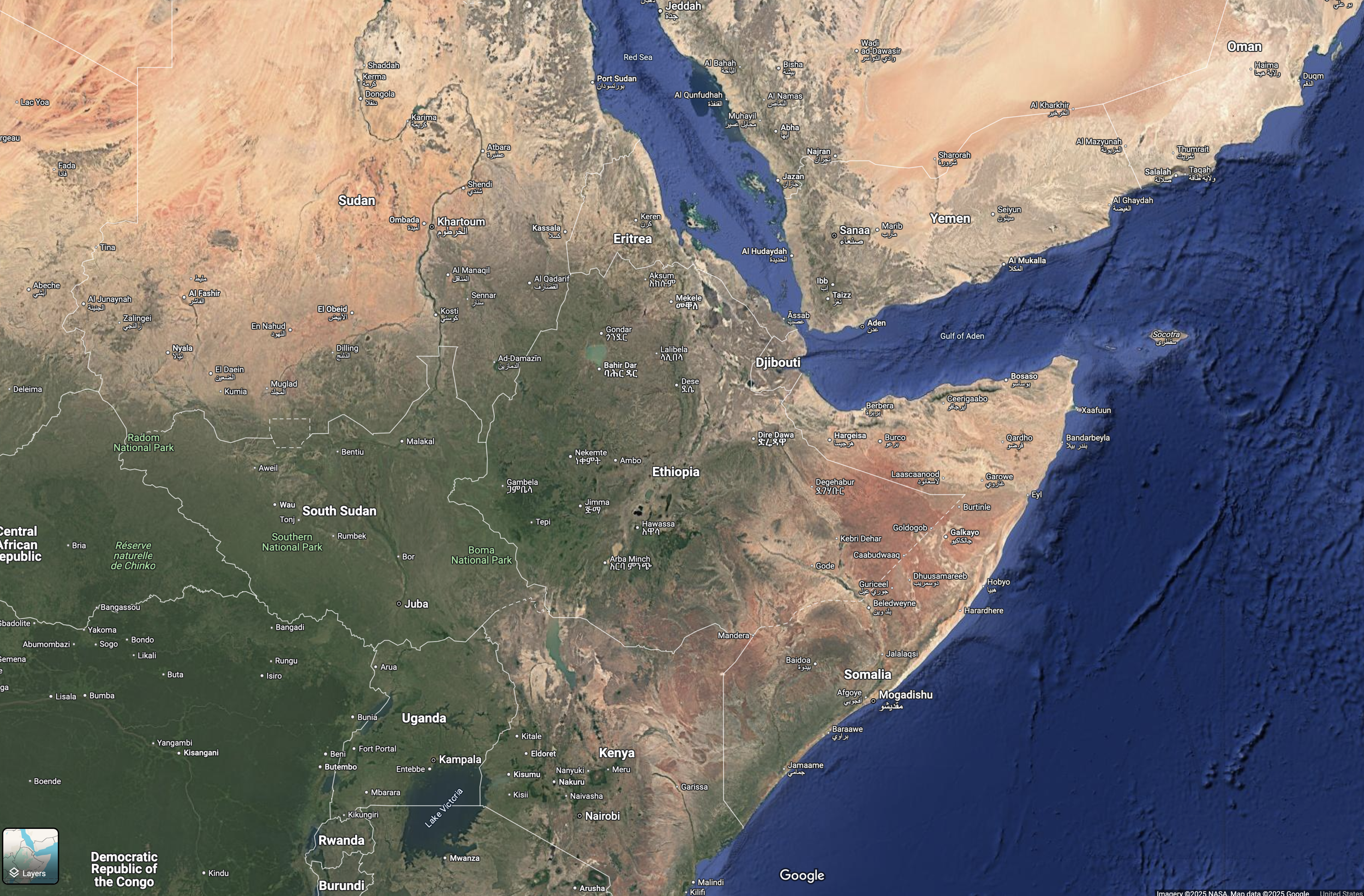
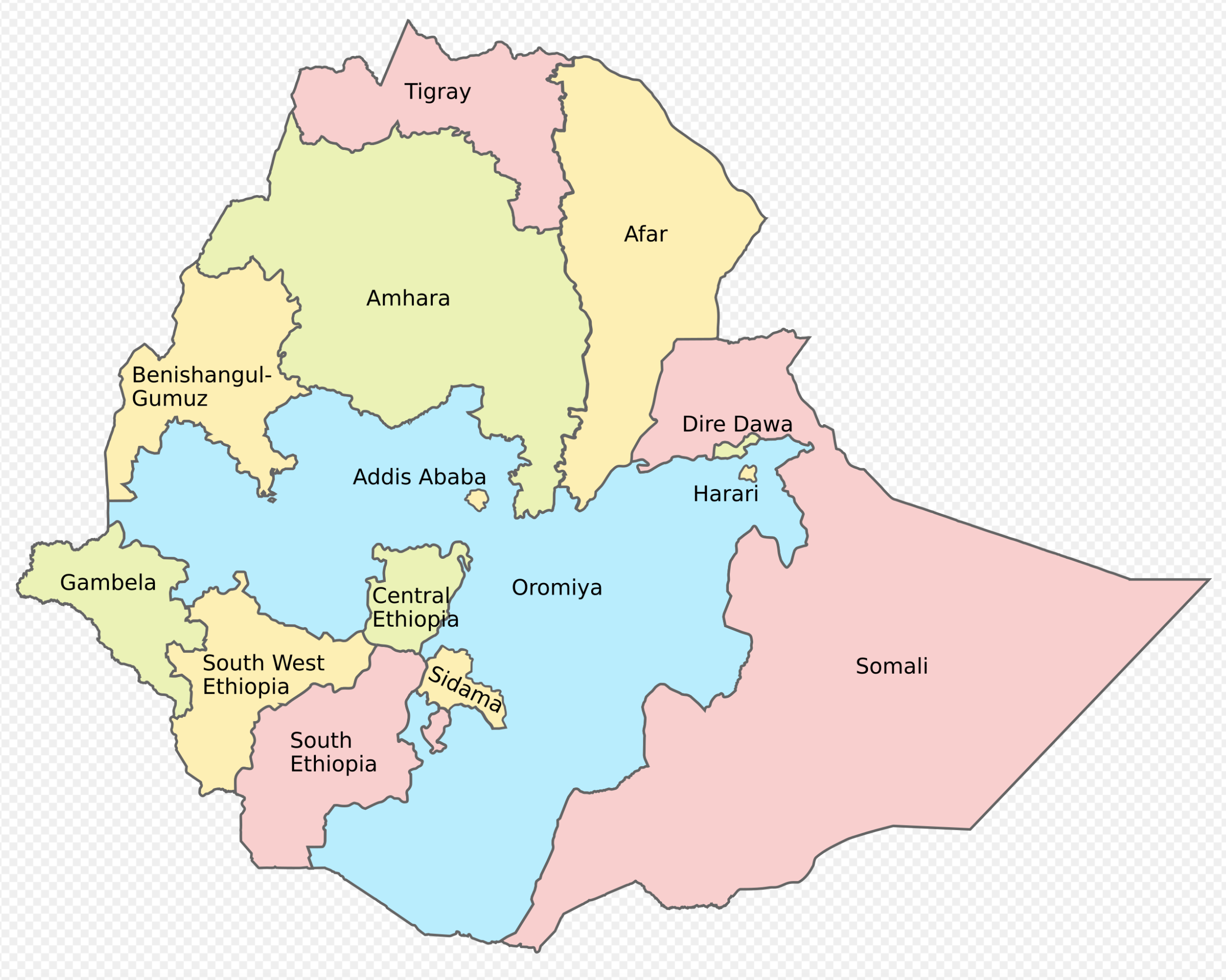
The country is divided by ethnicity and language into twelve regional states and two cities, the capital city Addis Ababa being one of them. Oromia (Oromiya in the local language Afaan Oromo) is the largest region both by size as well as population, followed closely by Amhara. The country’s most widely spoken language is Amharic, which is the language used by the federal government, even though there are more native speakers of Afaan Oromo. In addition to these two main languages, there are still more than 80 other languages spoken in Ethiopia.
The country has one of the lowest urbanization rates globally. Nearly 80% of Ethiopians reside in rural areas as compared to around 20% in urban areas, and in Oromia almost 85% of the population live in rural areas. The majority of inhabitants are engaged in agriculture and livestock production, and that is also the case for the large majority of families whose children visit our schools.
EVS is involved is the countryside around Ambo, an important town approximately 120 kilometers west of Addis Ababa in west-central Ethiopia in the so called West Shewa Zone. Ambo is known for the source of a famous mineral water available everywhere, for a university, and is also known as a hub for Oromo culture and political identity.
Ambo is surrounded by rural communities with only minimal infrastructure, ie. only intermittent if any electricity, no running water, no canalization, and transportation and access problems during the rainy season.
With more than 135 million people, Ethiopia is the second most populous country in Africa, after Nigeria. By geographic size, it is the 10th largest country in Africa - approximately the size of France and Spain combined. It is in the sub-Saharan area of East Africa called the “Horn of Africa”, and is land locked without sea access. It is bordered in the North by Eritrea, in the East by Eritrea, Djibouti and Somalia, in the South by Kenya, and in the West by South Sudan and Sudan.
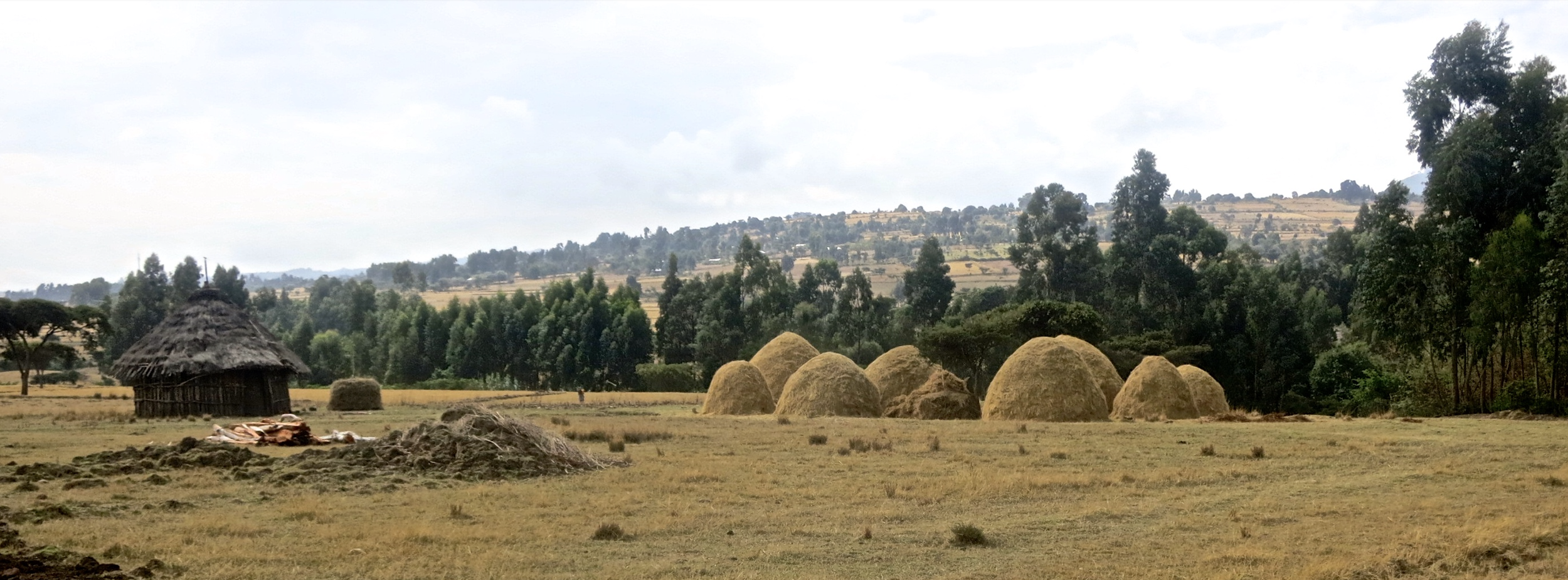
Countryside on the way to the schools with stacks of Teff and a tukul (round house)
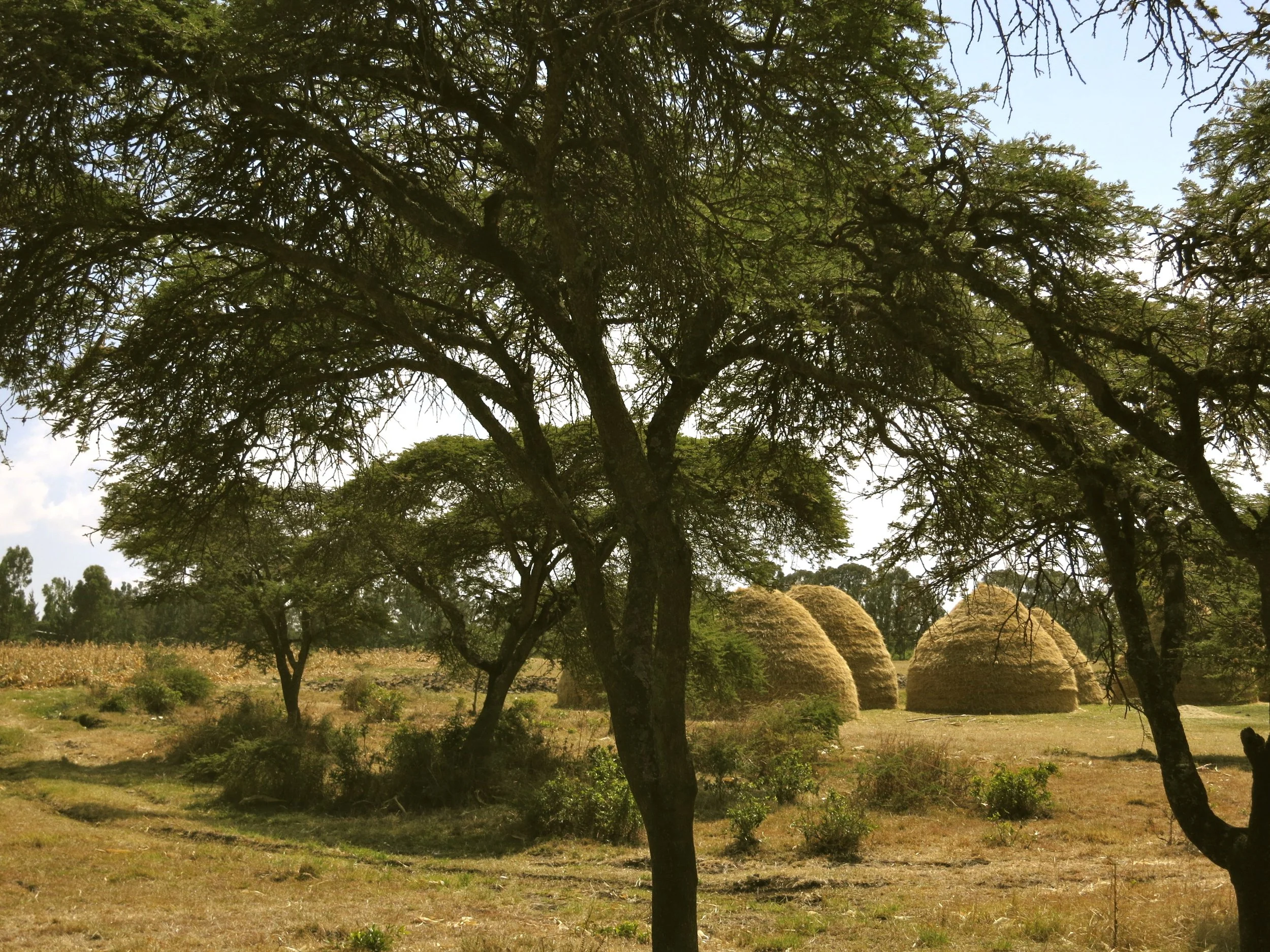
Stacks of teff - the most important grain grown in Ethiopia and the basis of injera, Ethiopia’s staple food
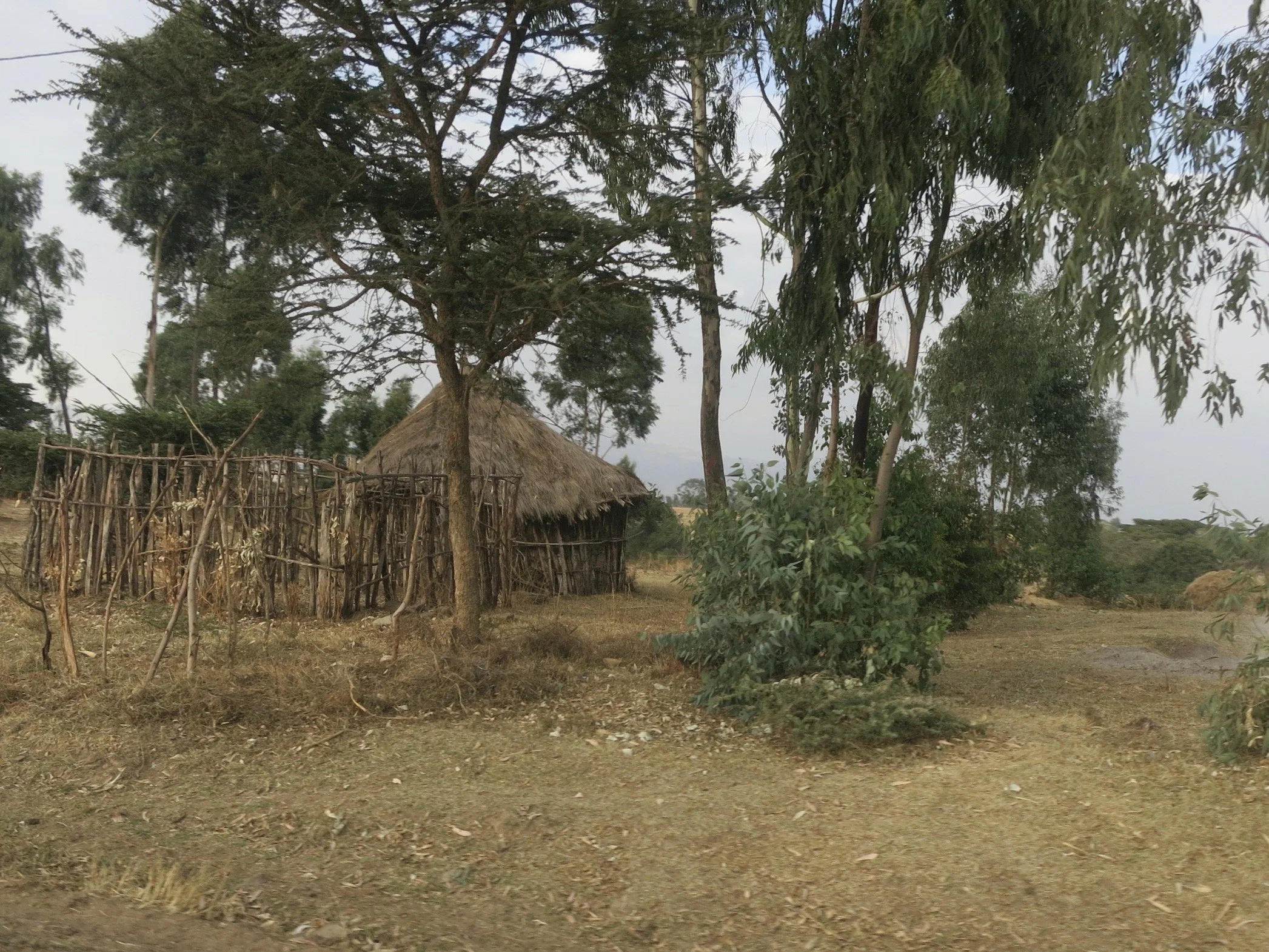
Tukuls - round houses with stamped earth floors, built from wooden poles, reeds, the walls covered with mud and straw and cow dung, the roofs thatched with reeds and grass
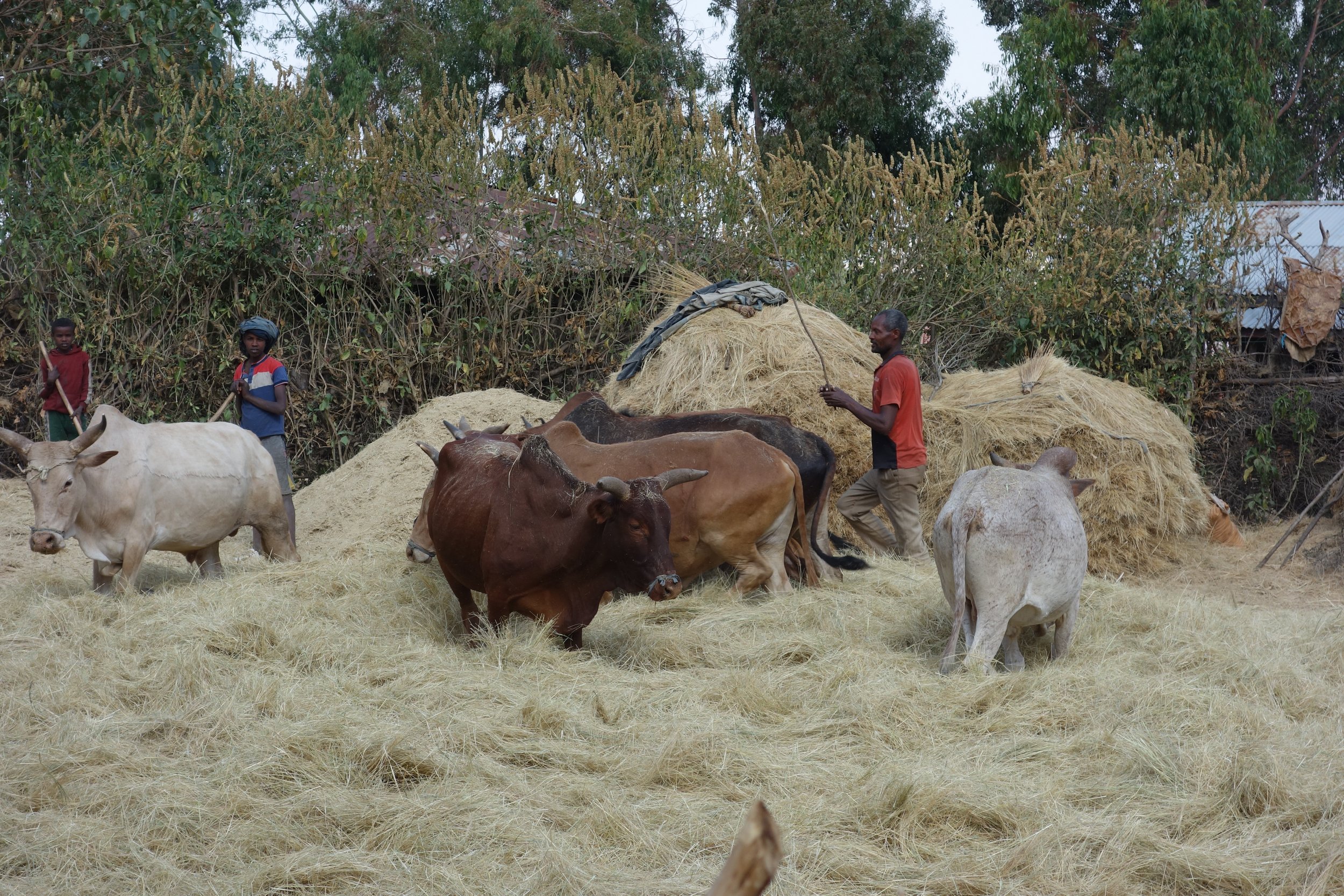
Thrashing teff with oxen
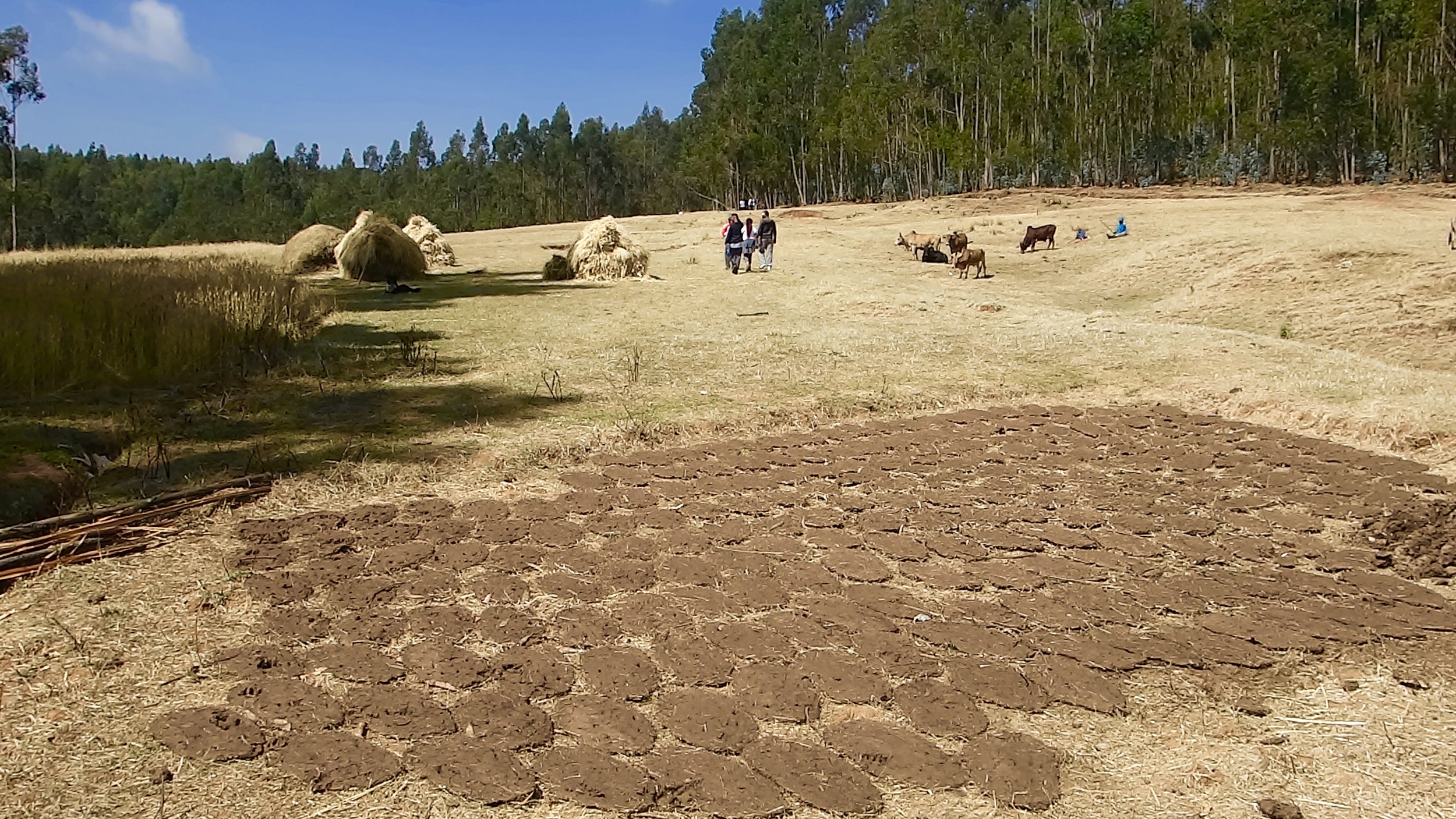
Drying cow dung for fuel
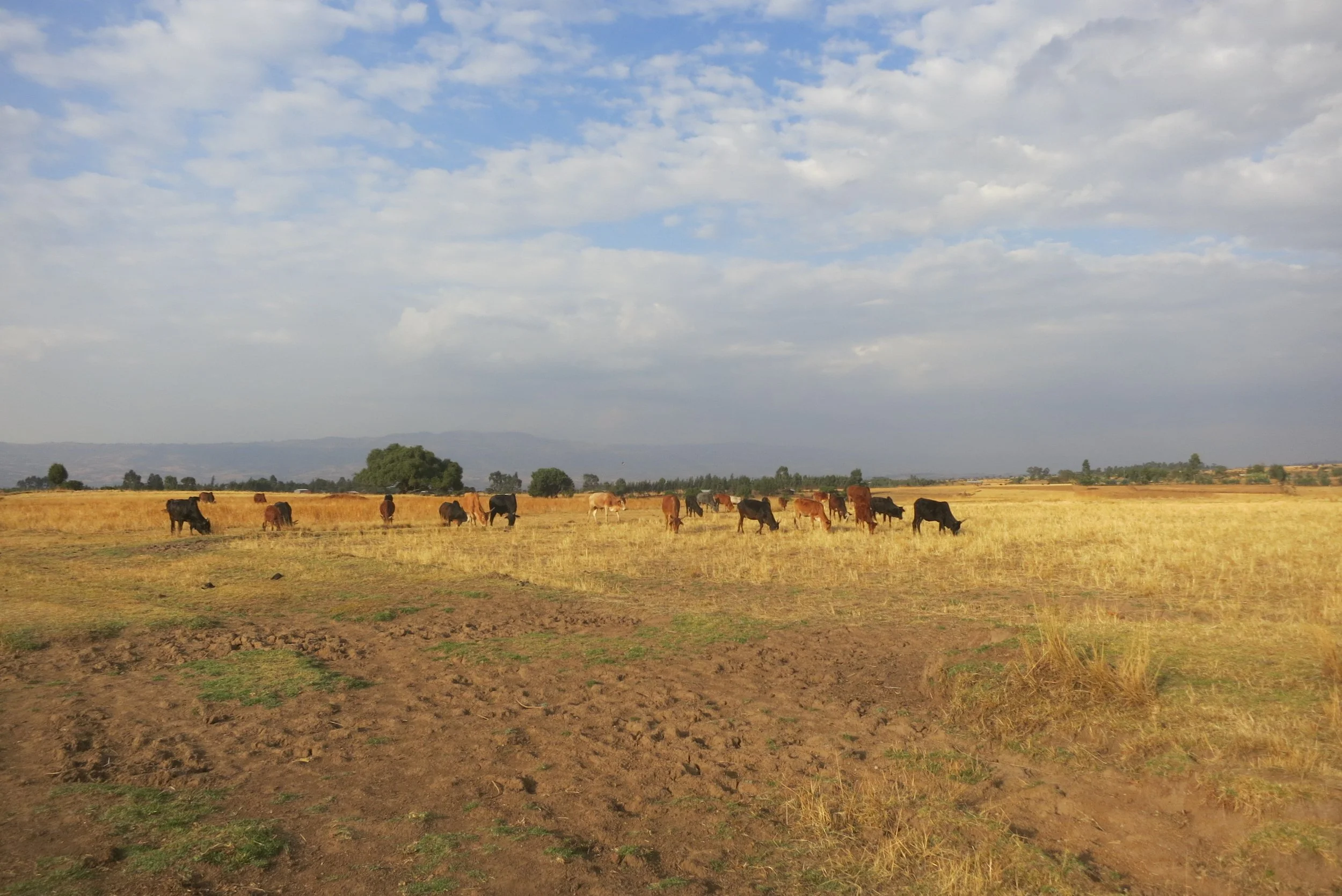
Typical countryside in the area around Ambo
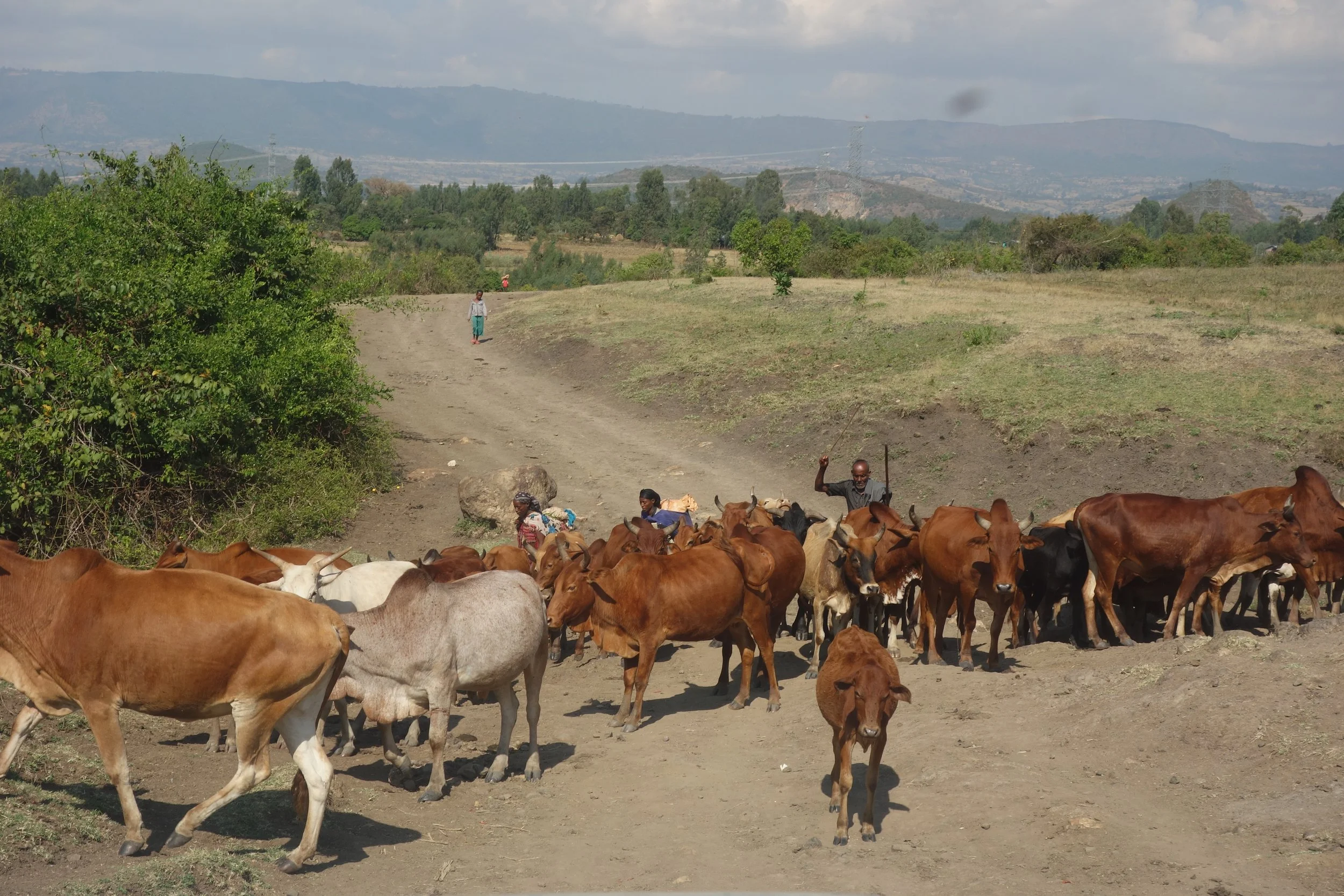
Cows crossing the road to schools
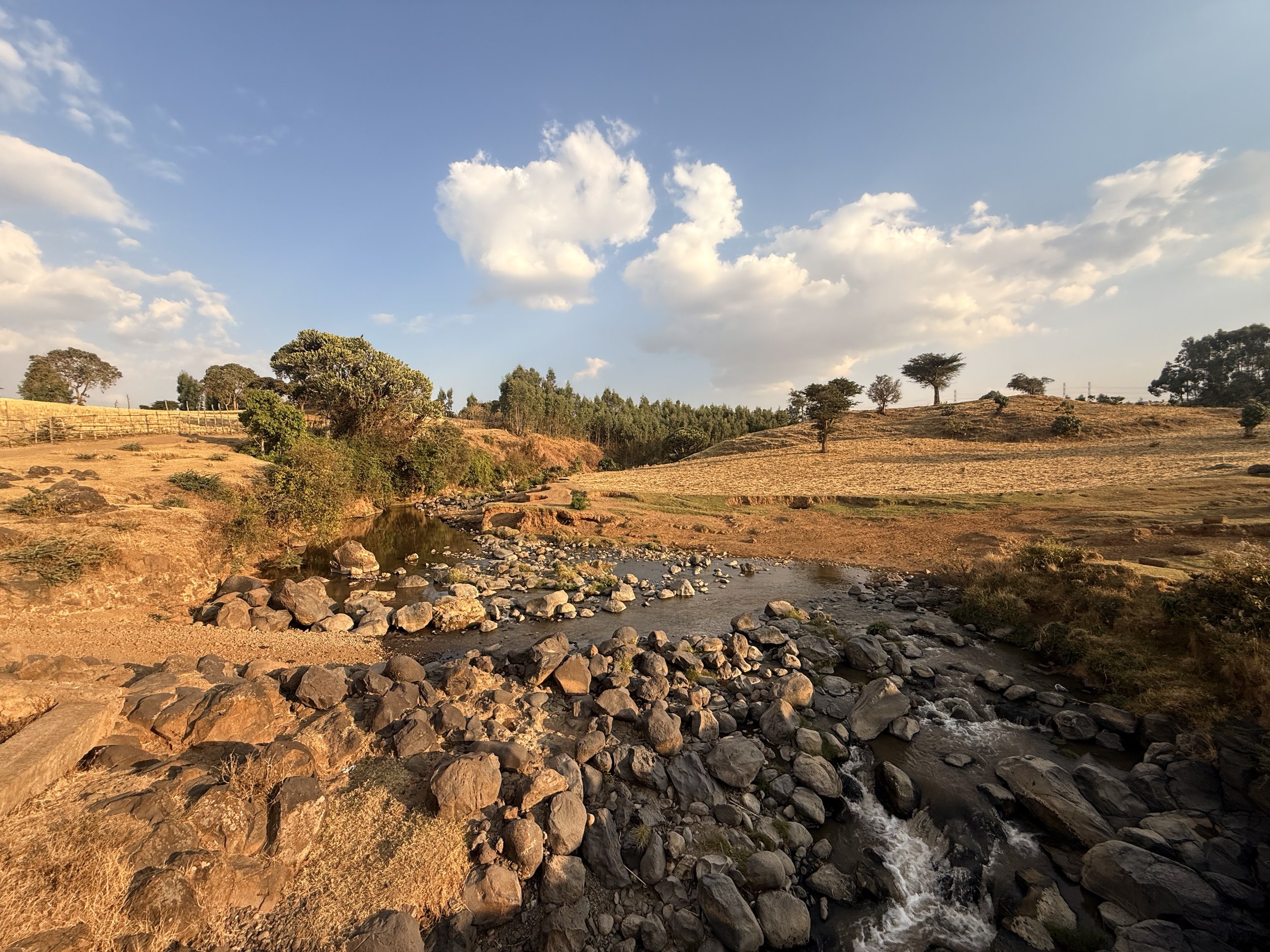
Countryside around Ambo