Our Impact
5 schools built with a total of
40 classrooms
8 Kindergarten rooms
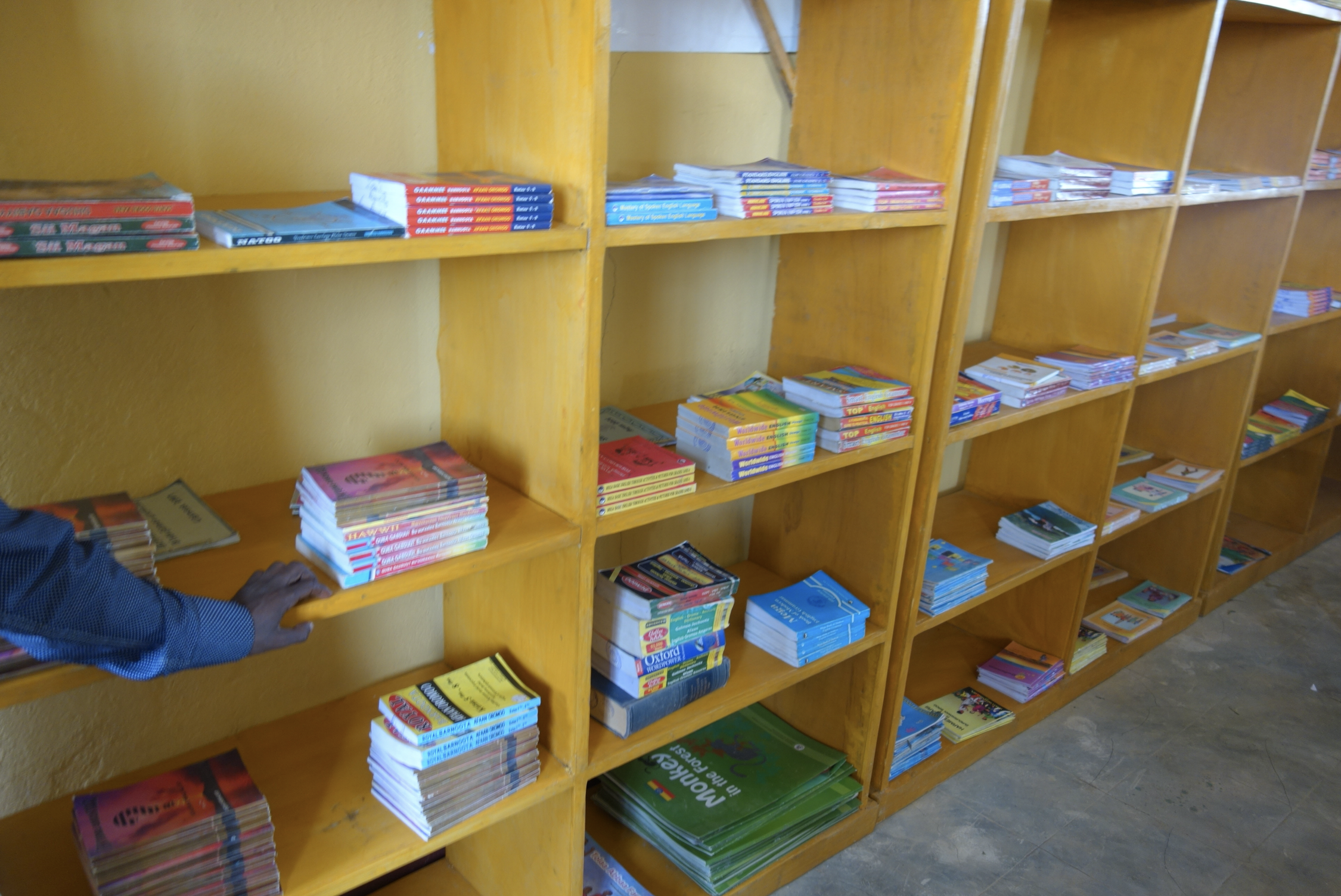
4 libraries
4 Girls’ Rooms
New furniture built by local craftsmen provided for all schools and libraries.
Sewing program launched for menstrual pads
1600+ reusable menstruation pads provided
6 tutoring programs supported
Teaching material including new textbooks and books for beginning readers provided to schools who did not have them from government sources
Supported lunch feeding programs
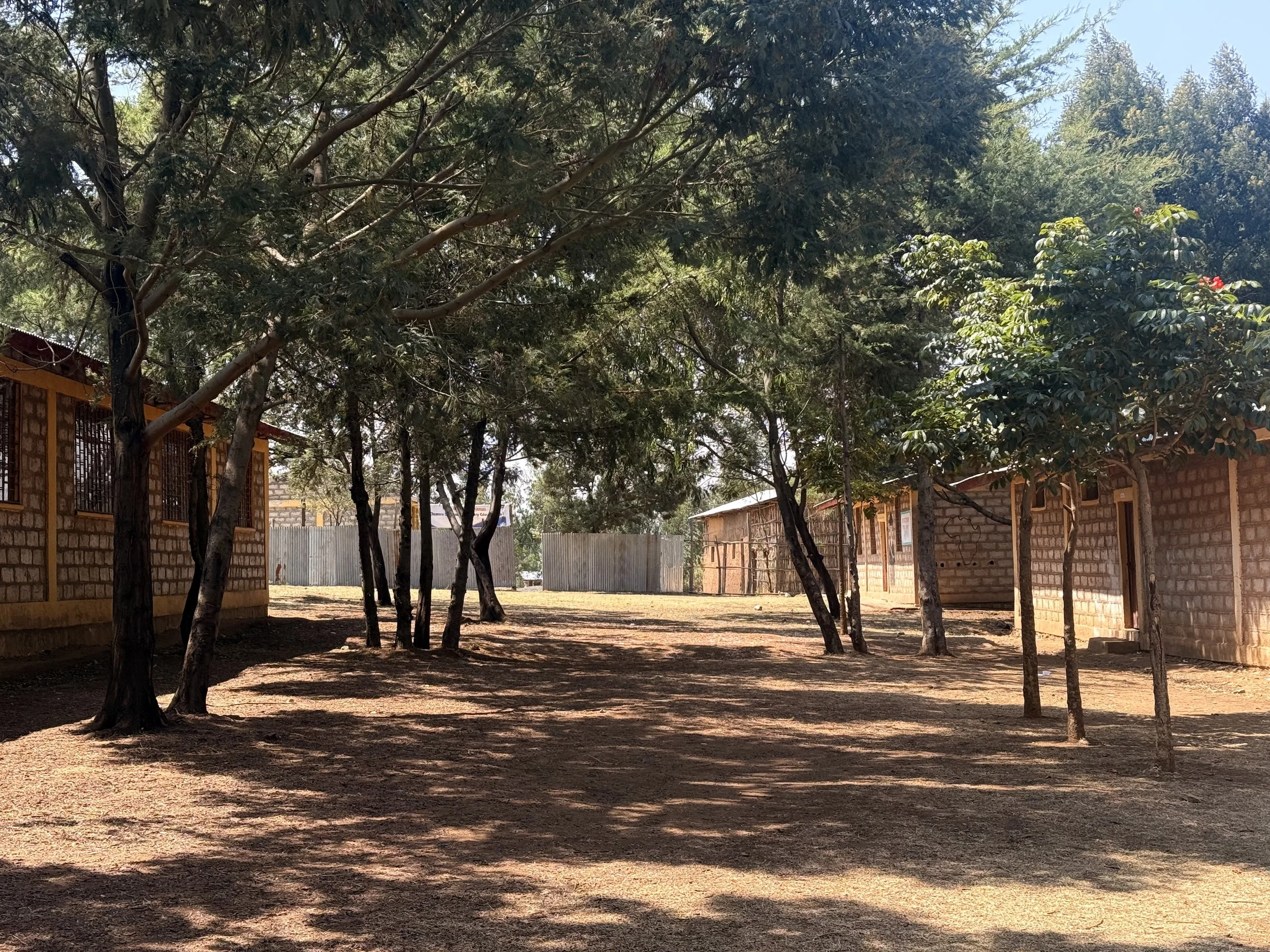
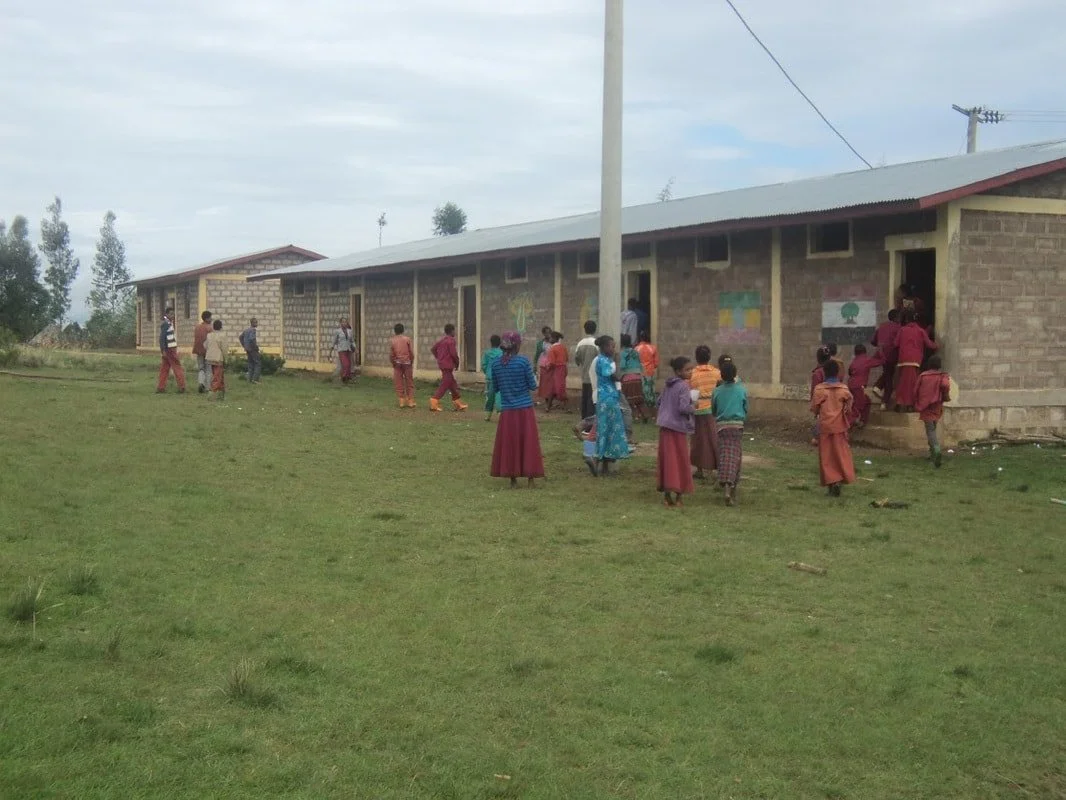
School yard with new buildings in Bilo
Bilo -
8 classrooms, 2 kindergarten rooms, girls’ room, director’s office, teachers’ room, library furniture including desks, chairs and shelves
-
![]()
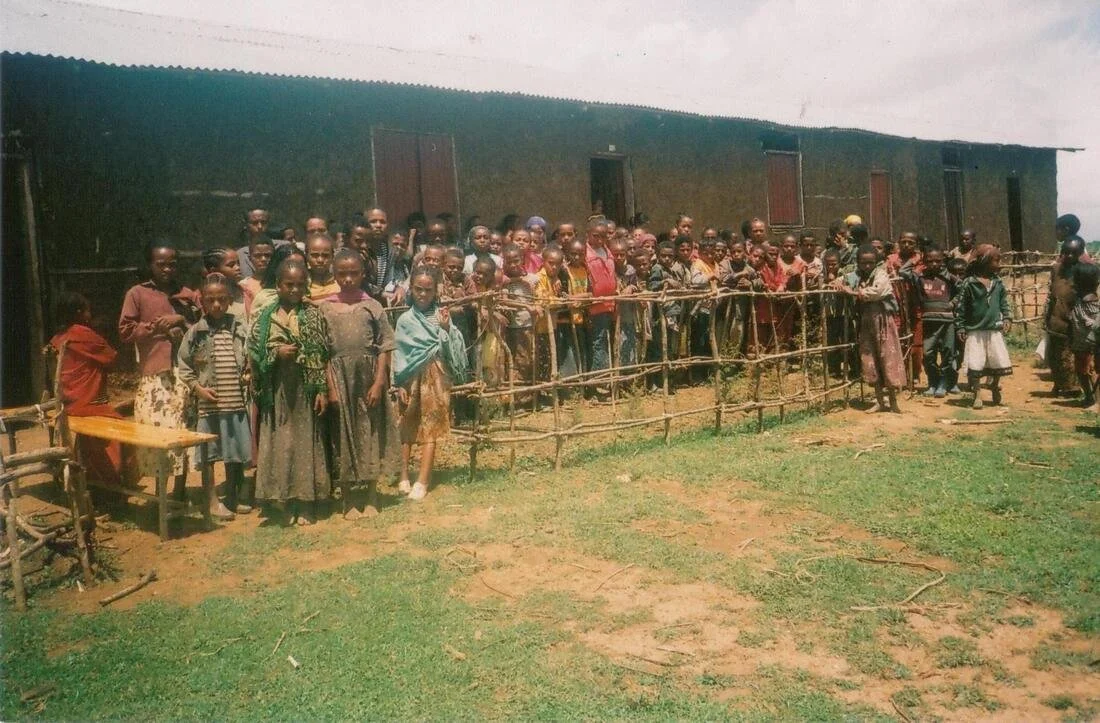
Original Classroom in Bilo when Birtukan visited in 2011.
-
![]()
Students outside of old classrooms.
-
![]()
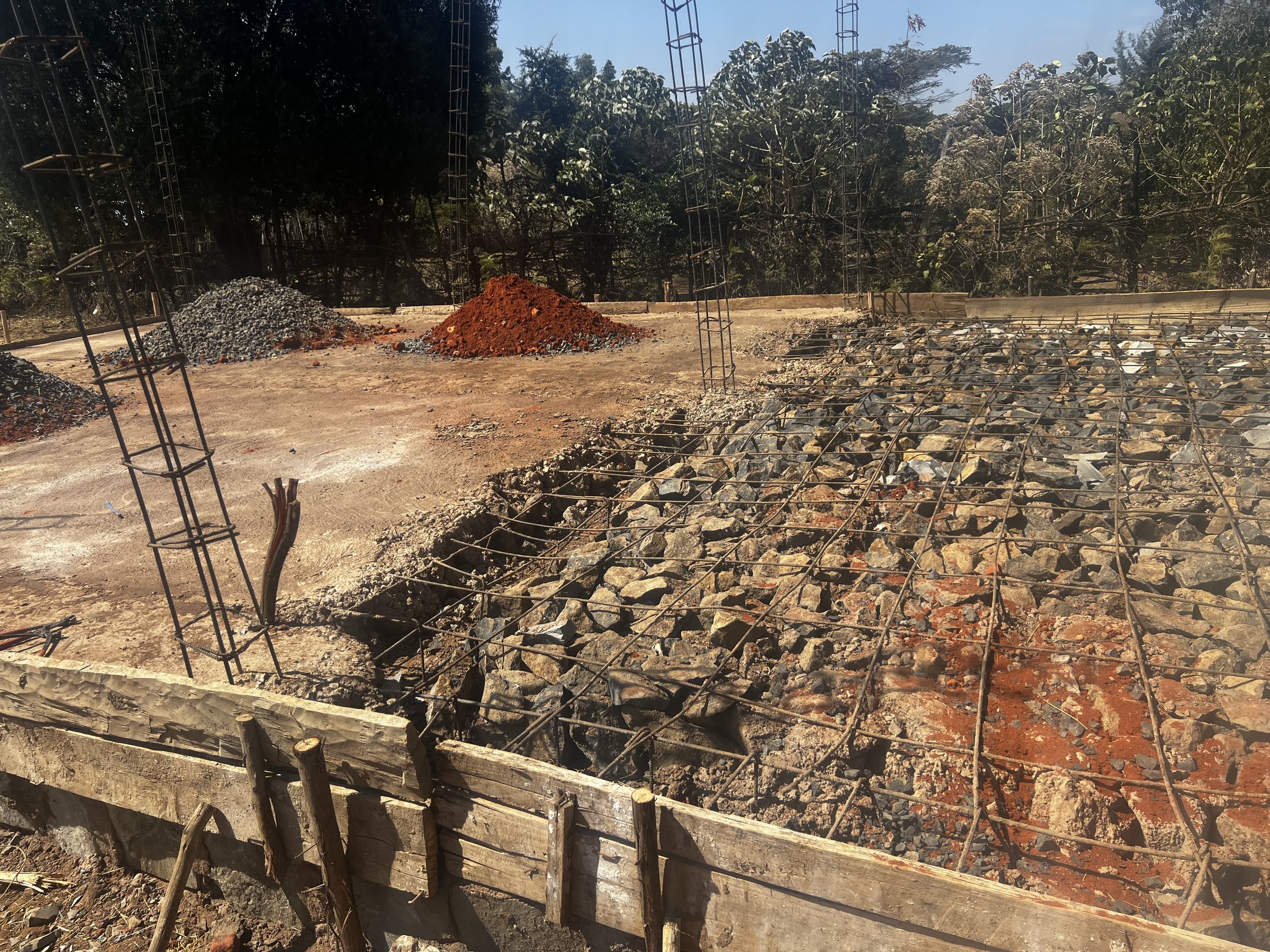
Foundation work for our first school in Bilo
-
![]()
Beginning construction in Bil
-
![]()
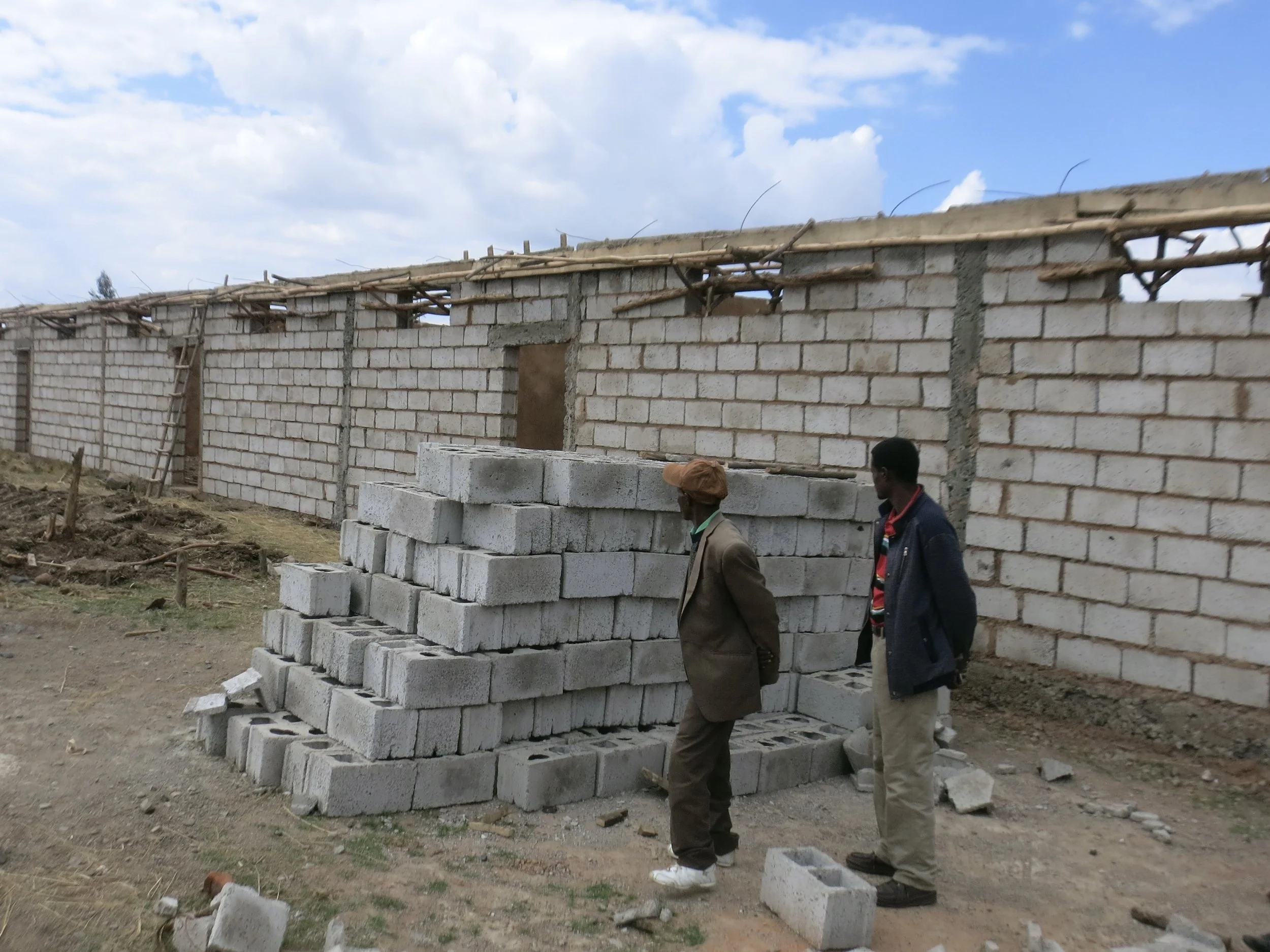
Bilo construction site
-
![]()
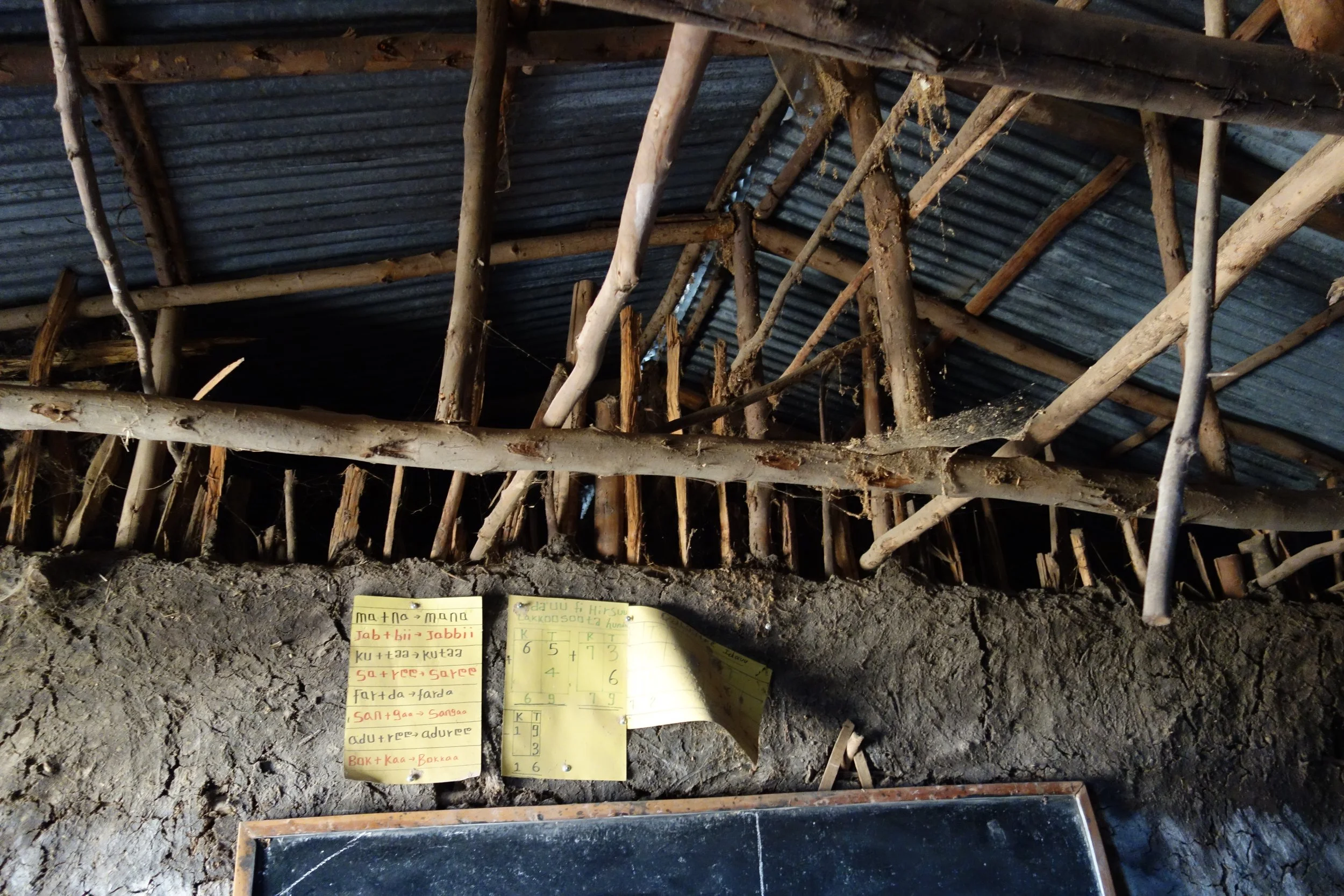
Roof details of old school
-
![]()
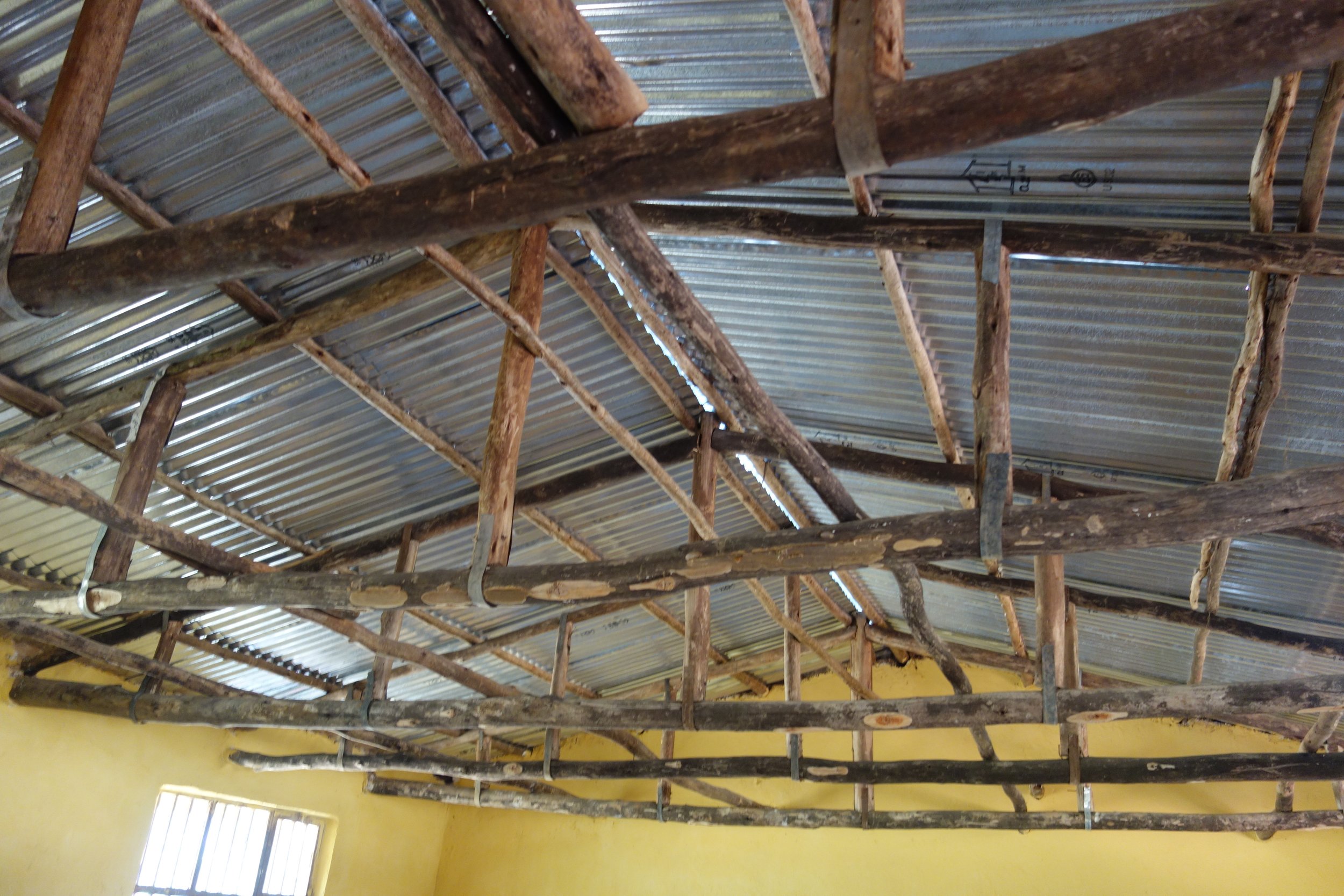
Roof details of new school
-
![]()
Construction details
-
![]()
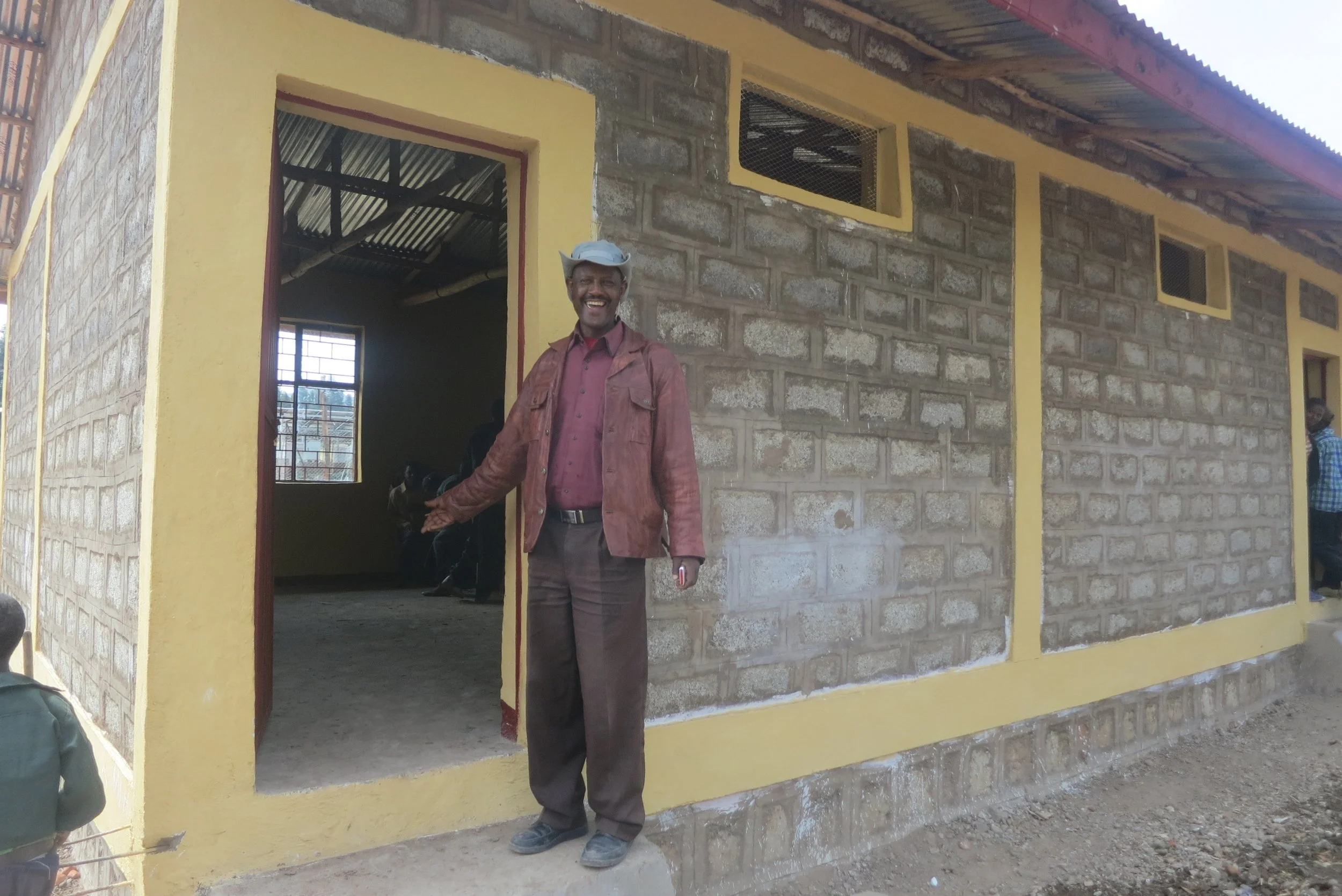
Moti in frot of the first classroom block
-
![]()
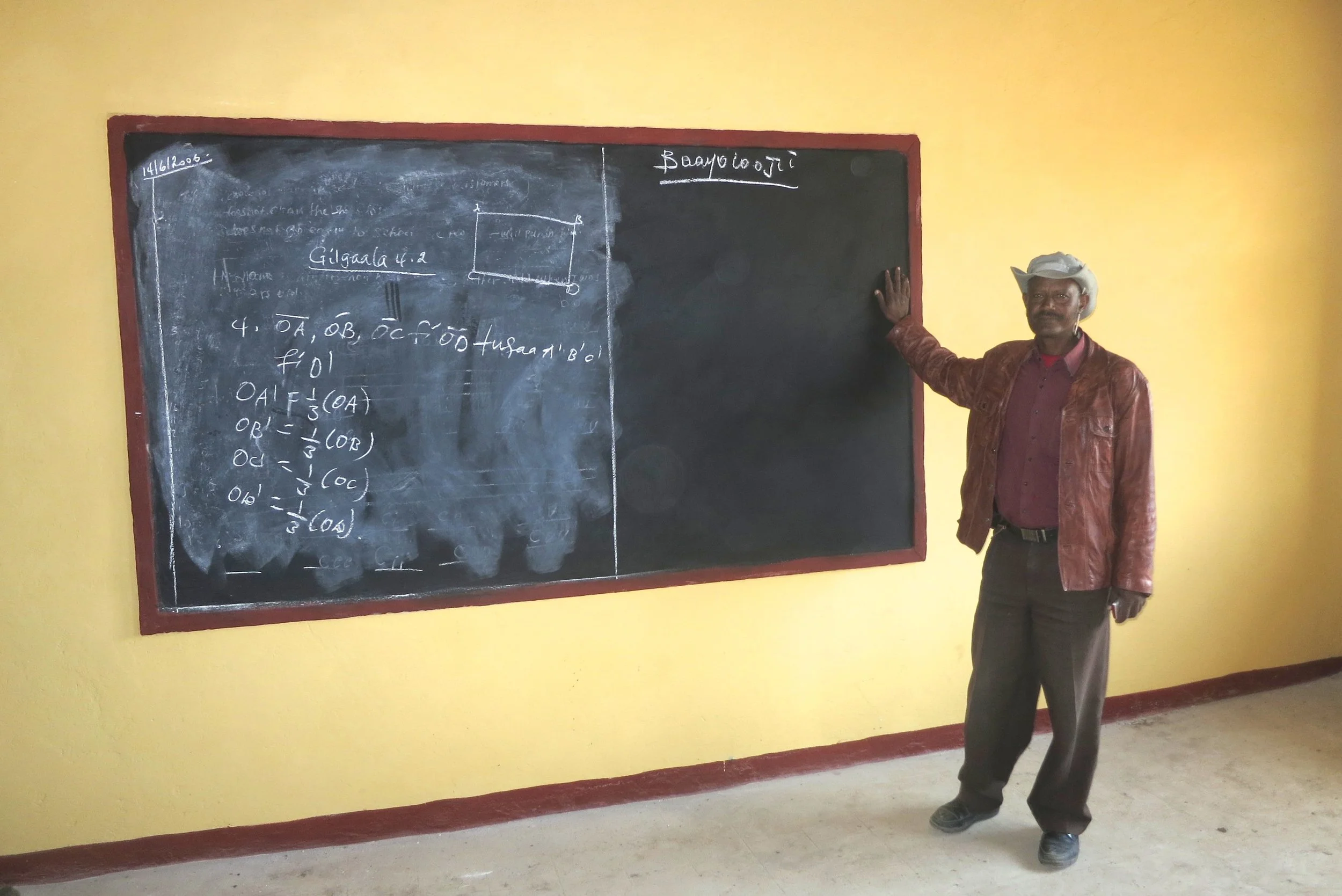
Moti trying to solve geometry probleme
-
![]()
Bilo library next to 4 classrooms.
-
![]()
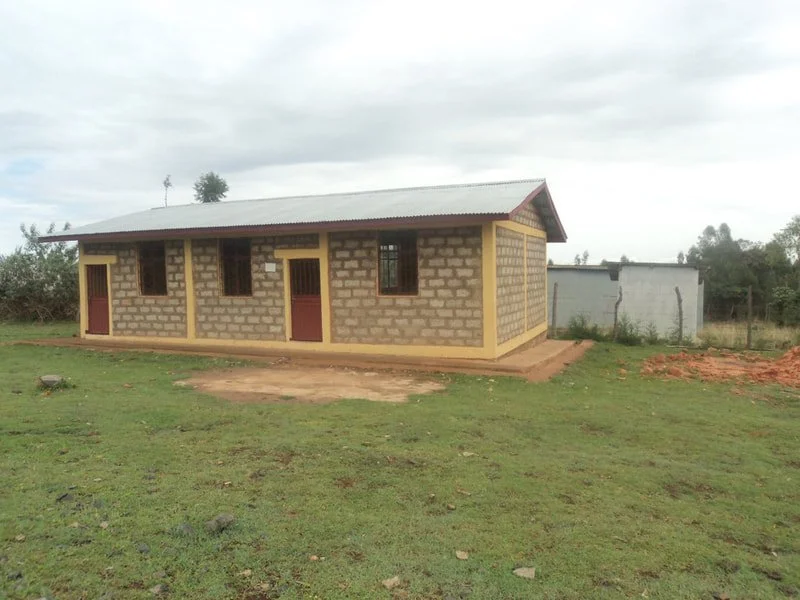
Completed Bilo library.
-
![]()
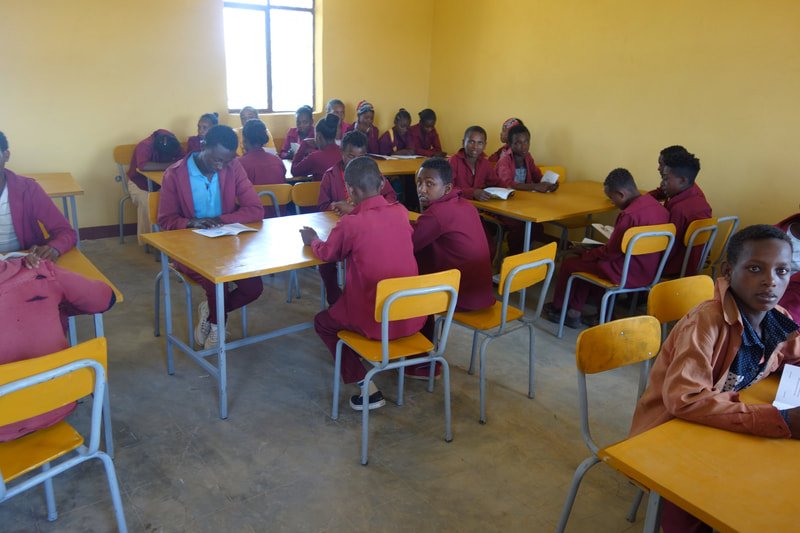
Library interior.


Qibaa -
8 classrooms, library, furniture including desks, chairs and shelves
-
![]()
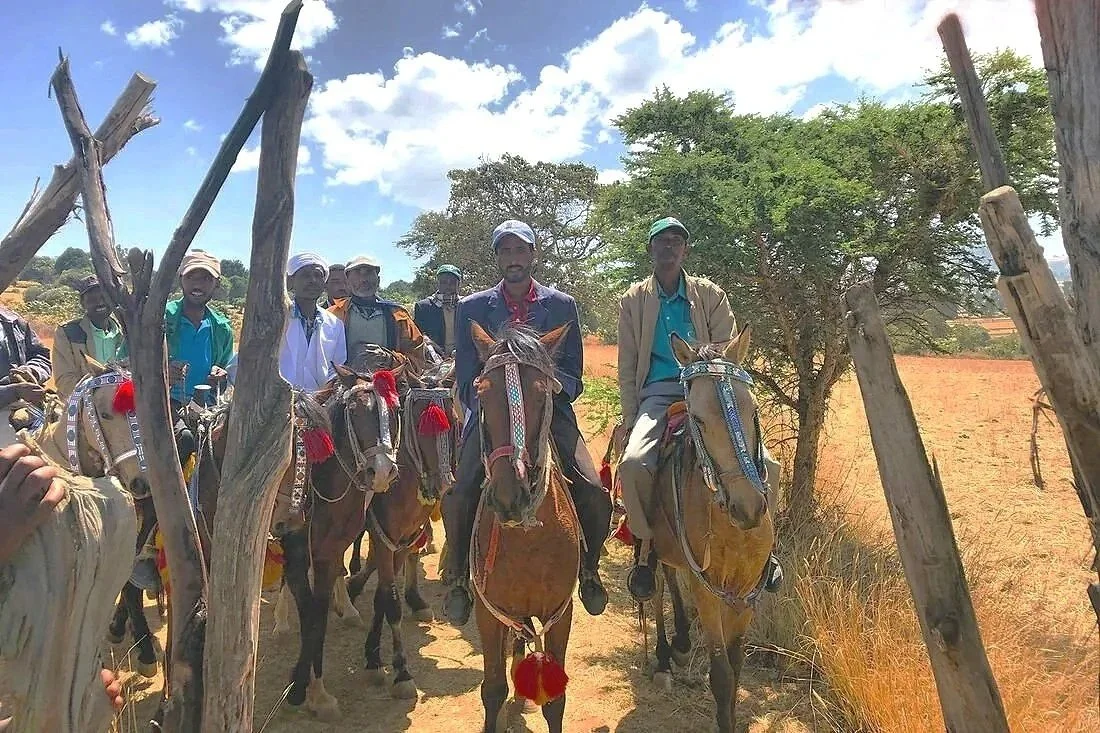
Welcoming Committee from Qibaa
-
![]()
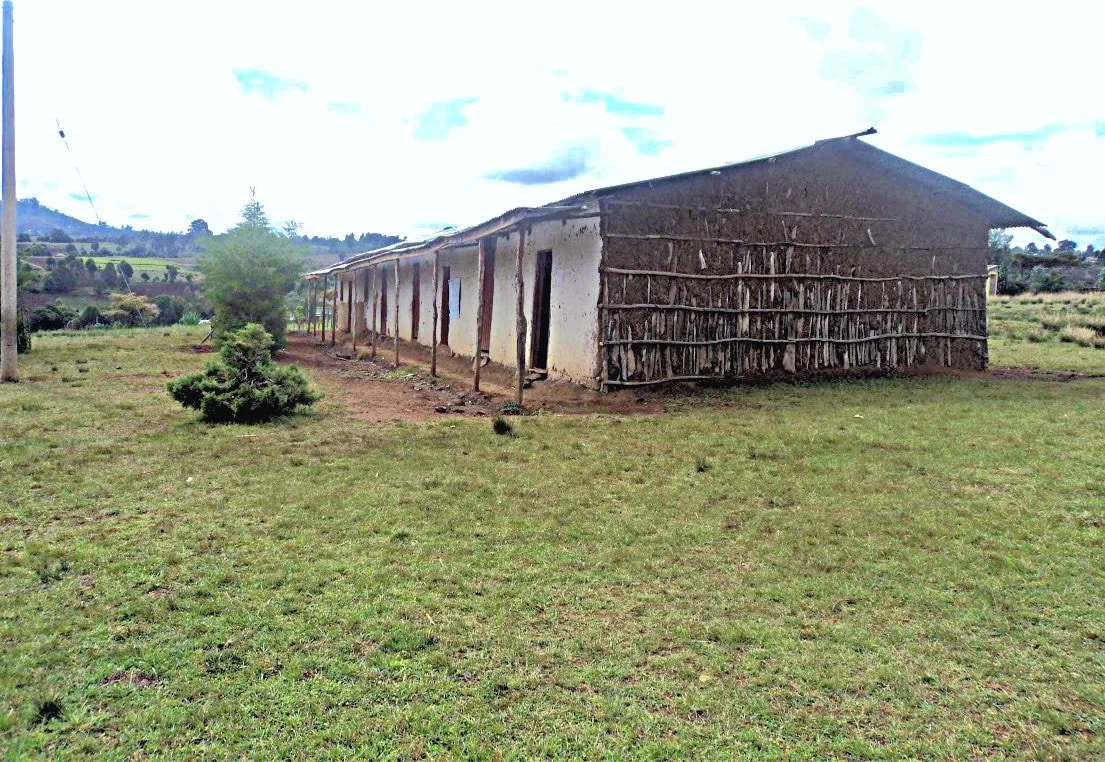
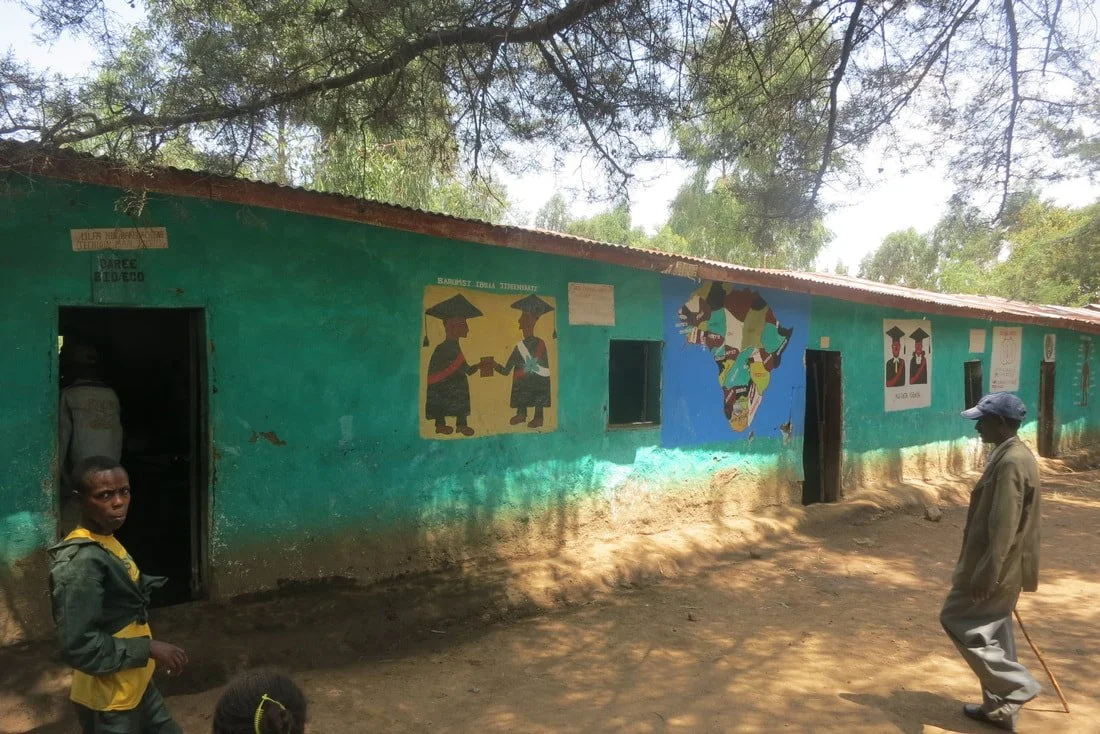
Qibaa old school
-
![]()
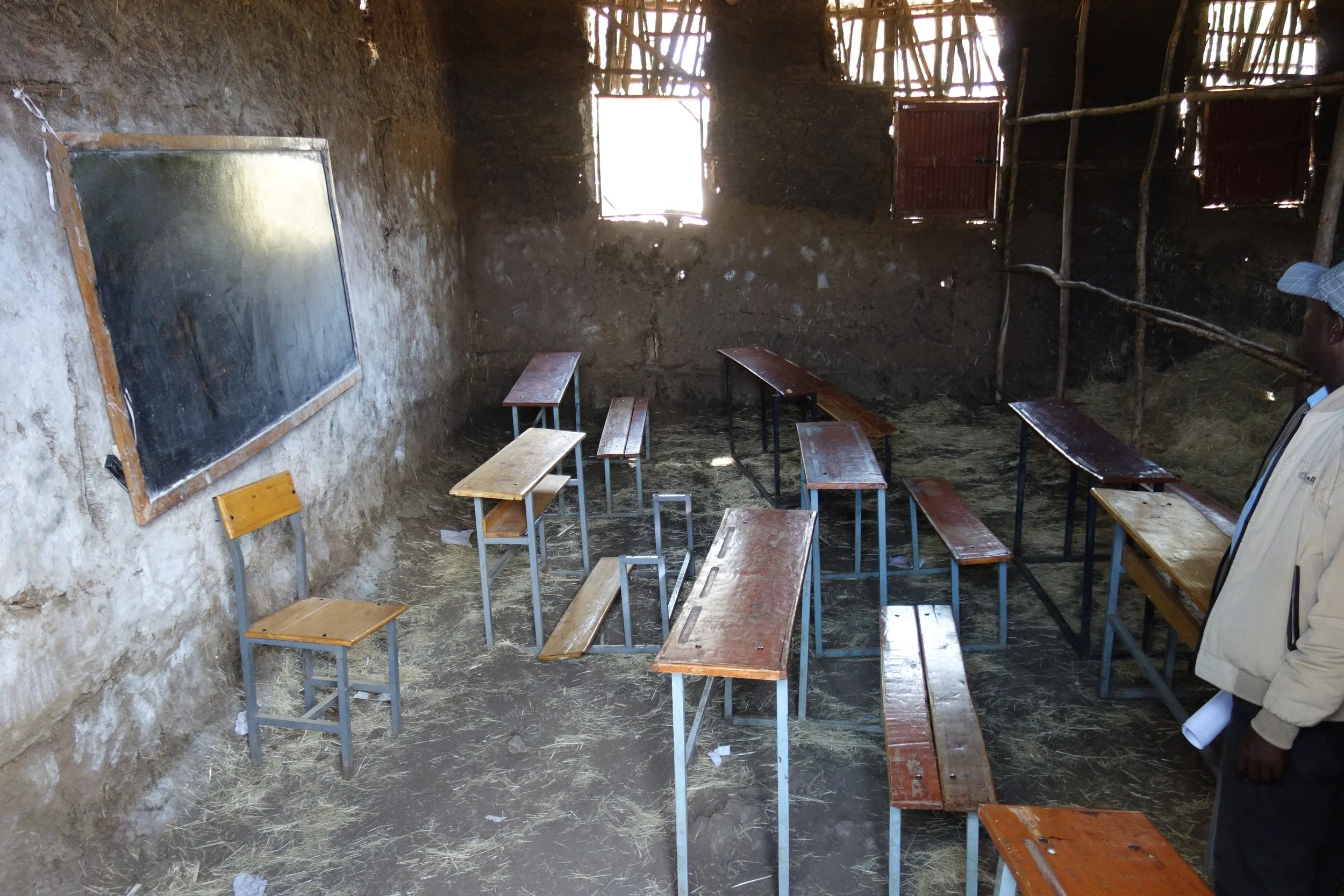
Old classroom in Quibaa
-
![]()
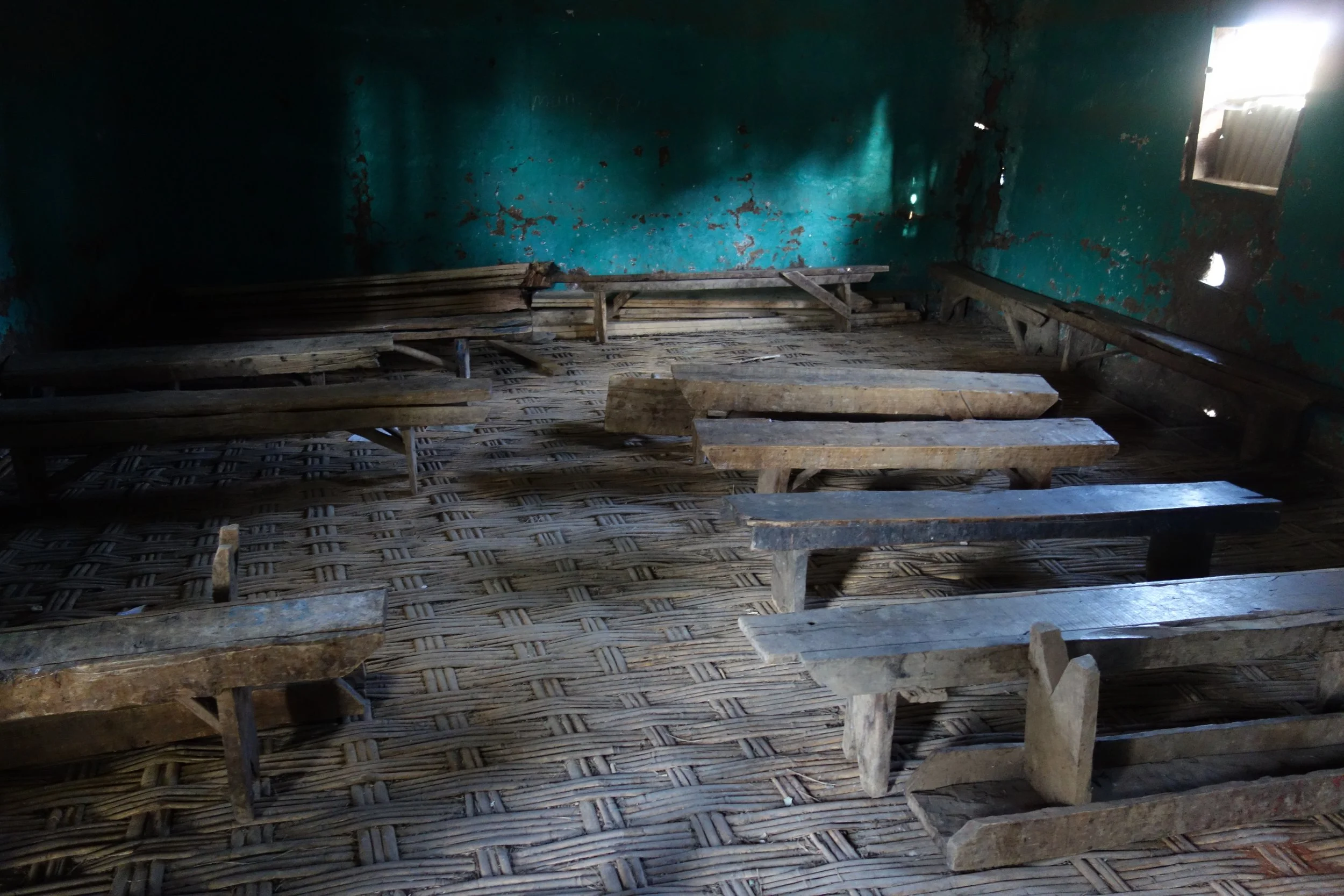
Old classroom in Quibaa
-
![]()
New school construction Qibaa
-
![]()
First new classrooms in Qibaa
-
![]()
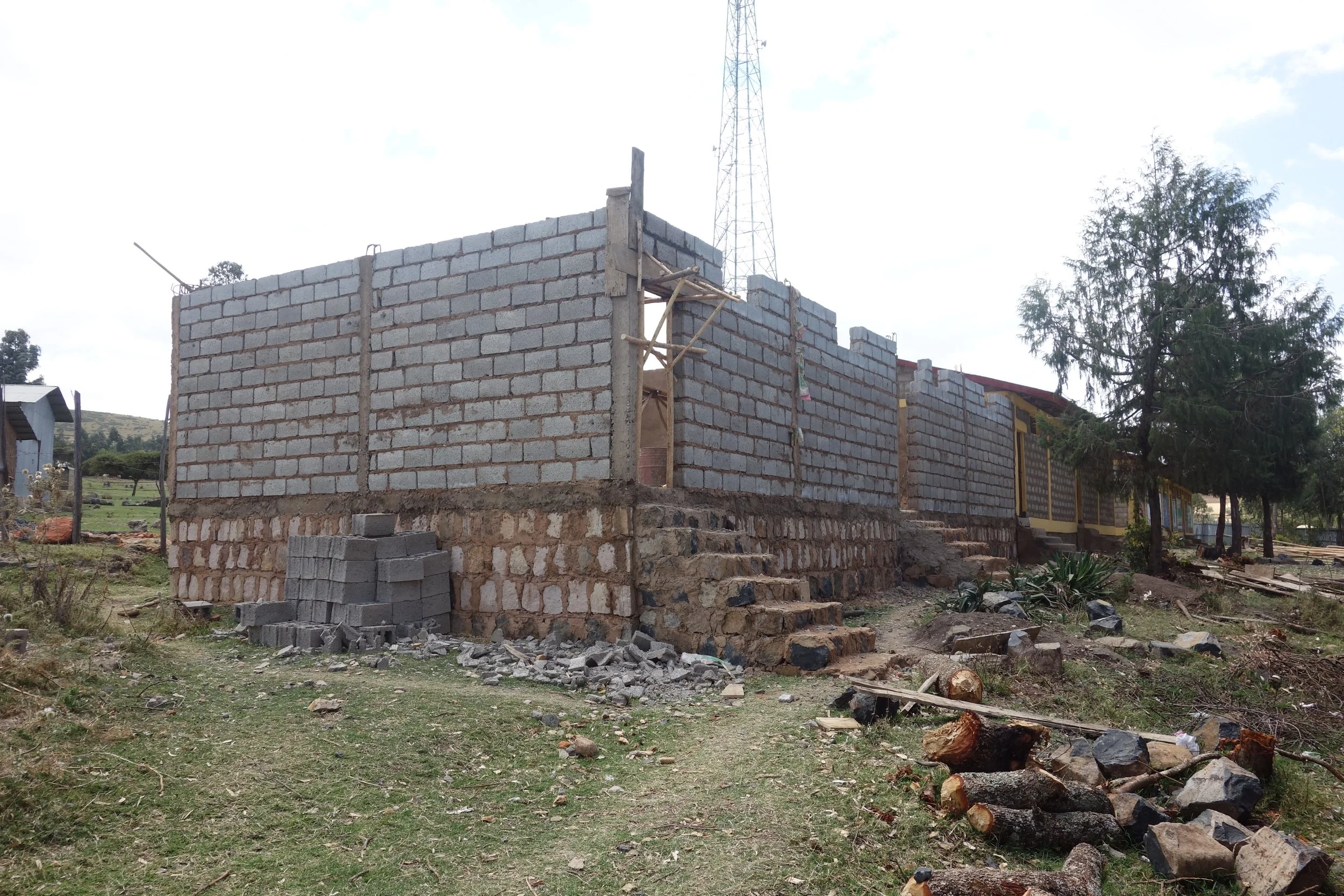
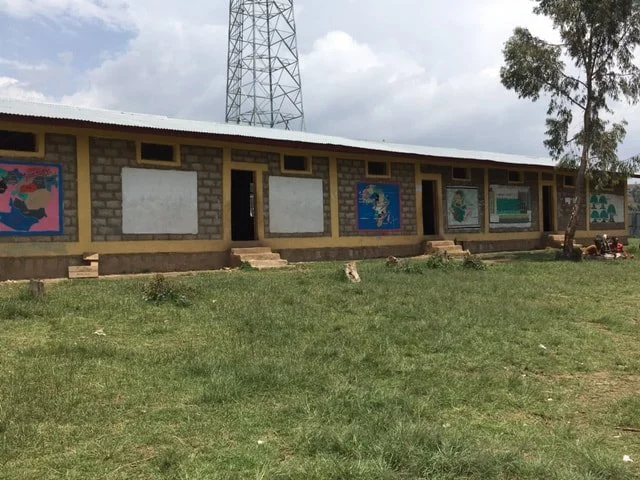
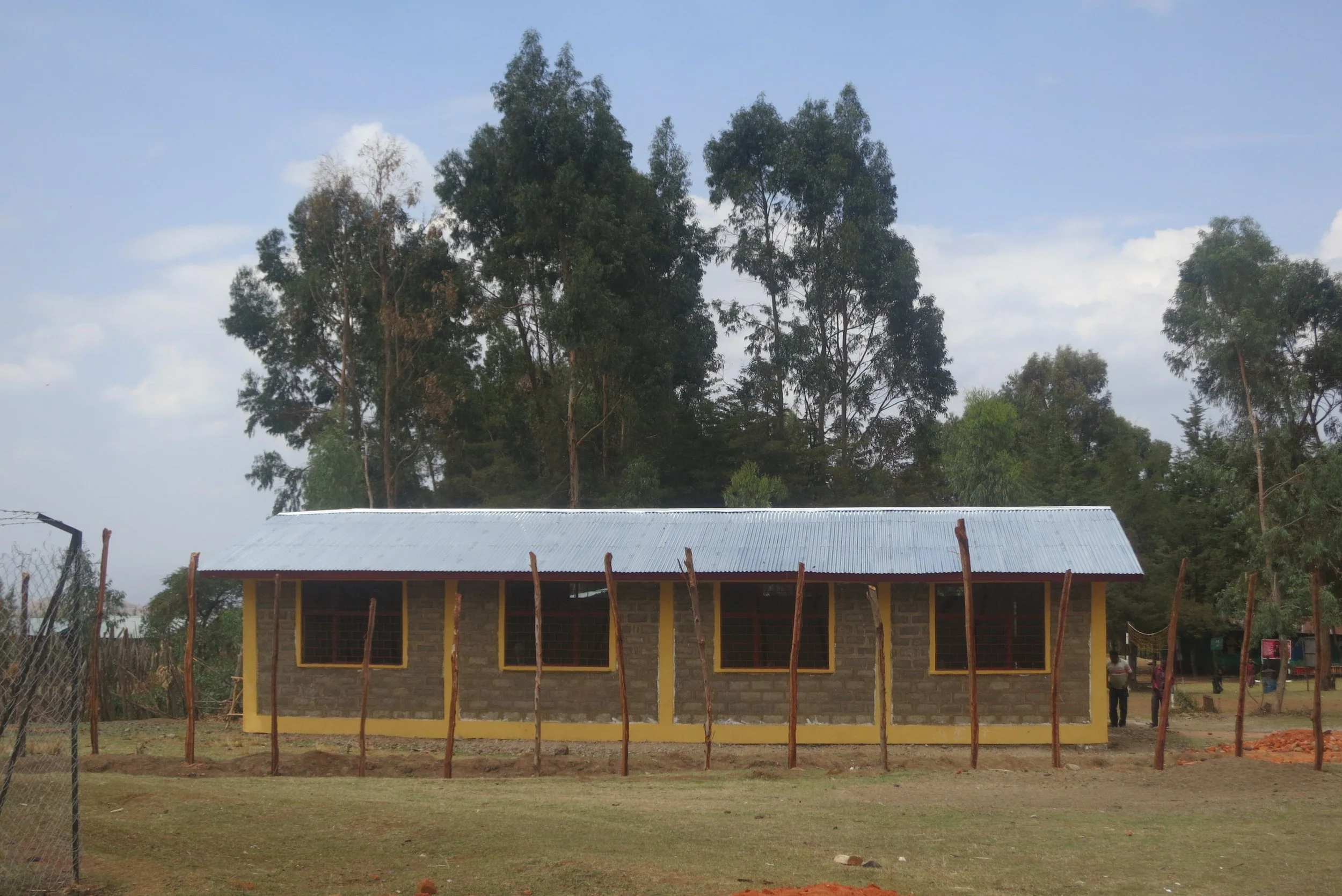
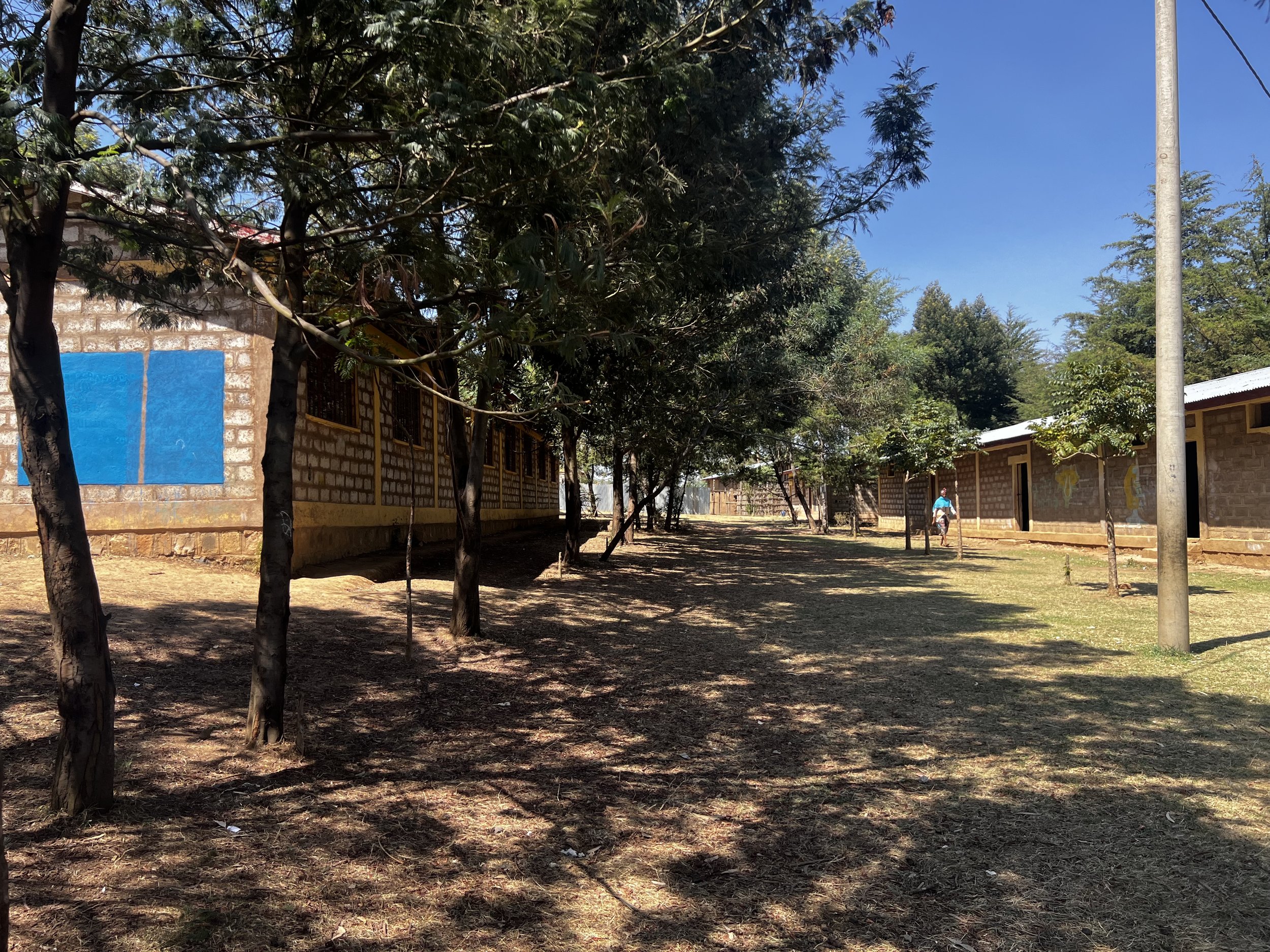
New classroom block in Qibaa
-
![]()
New building Qibaa
-
![]()
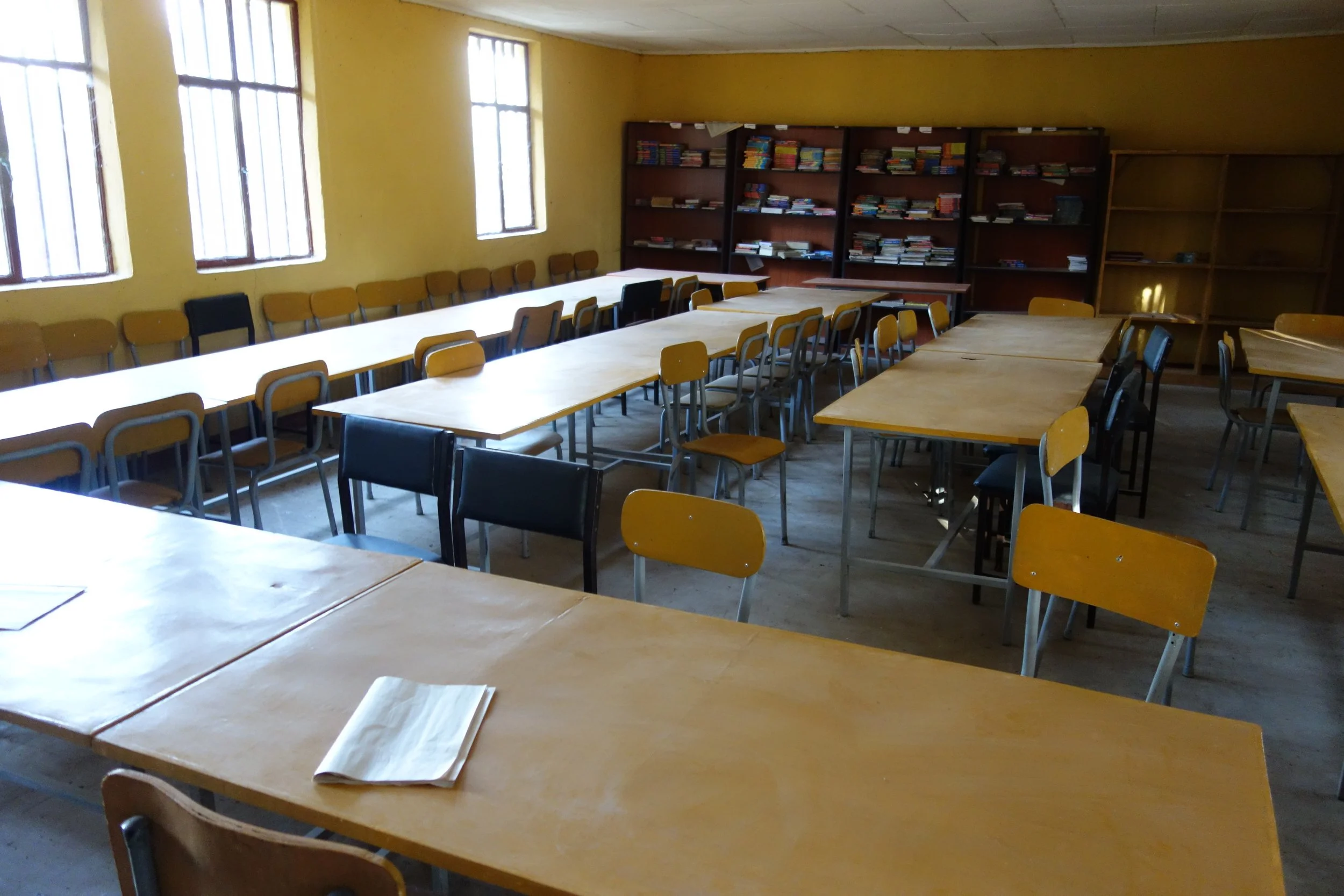
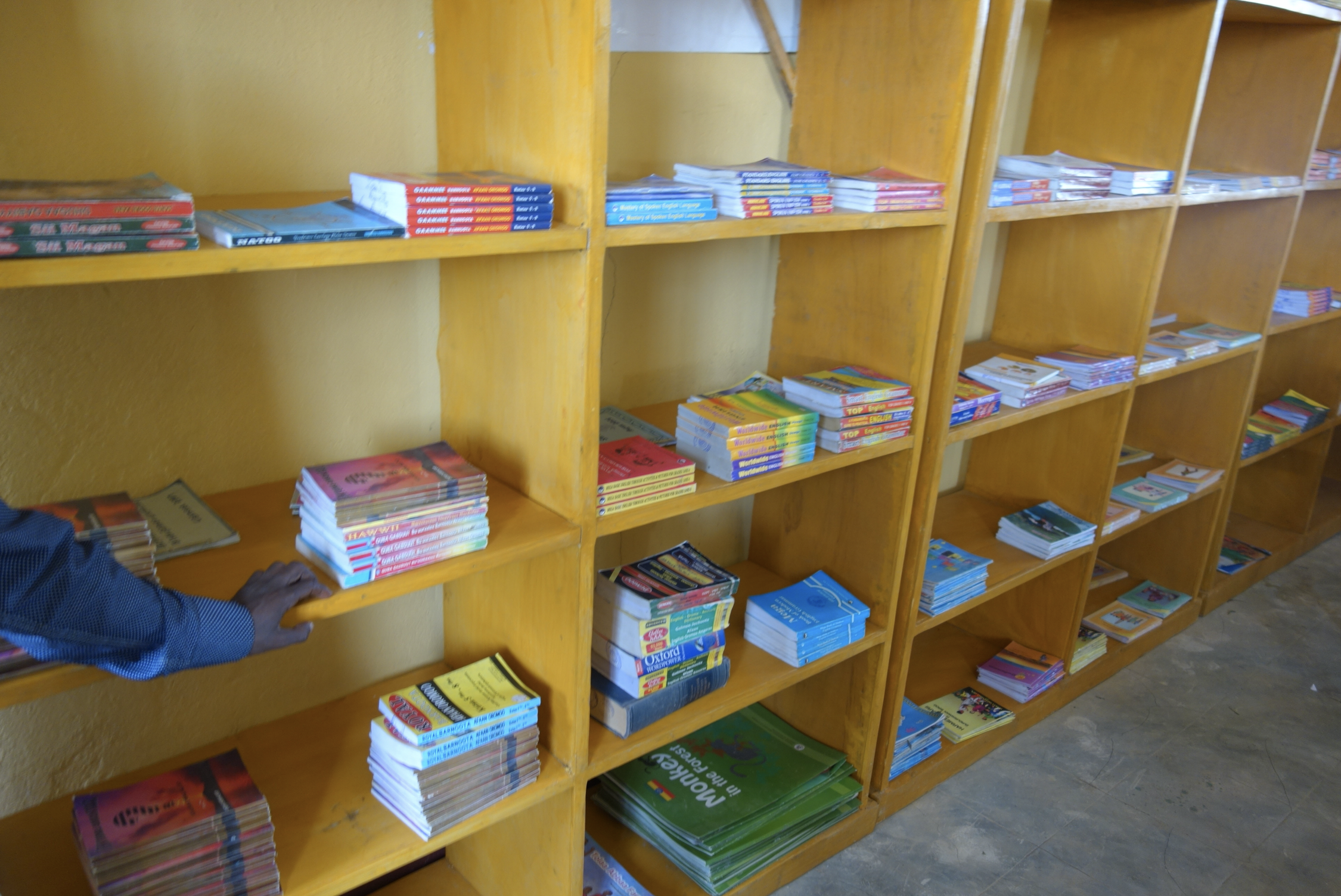
New library
-
![]()
New library shelves
-
![]()
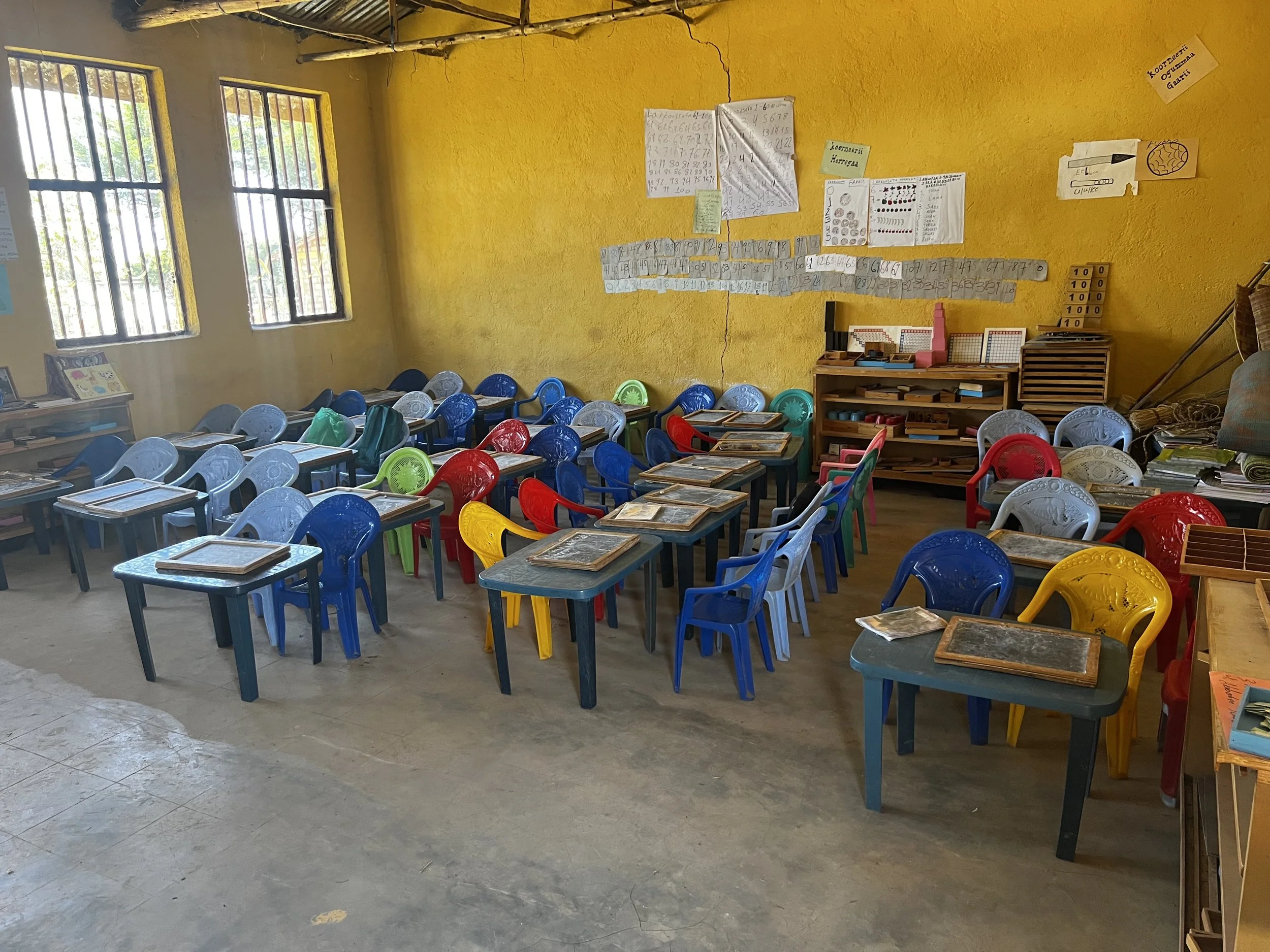
New kindergarten room
Kube Chitu -
8 classrooms, 2 kindergarten rooms, library, girls’ room, director’s office, teachers’ room furniture including desks, chairs, shelves
-
![]()
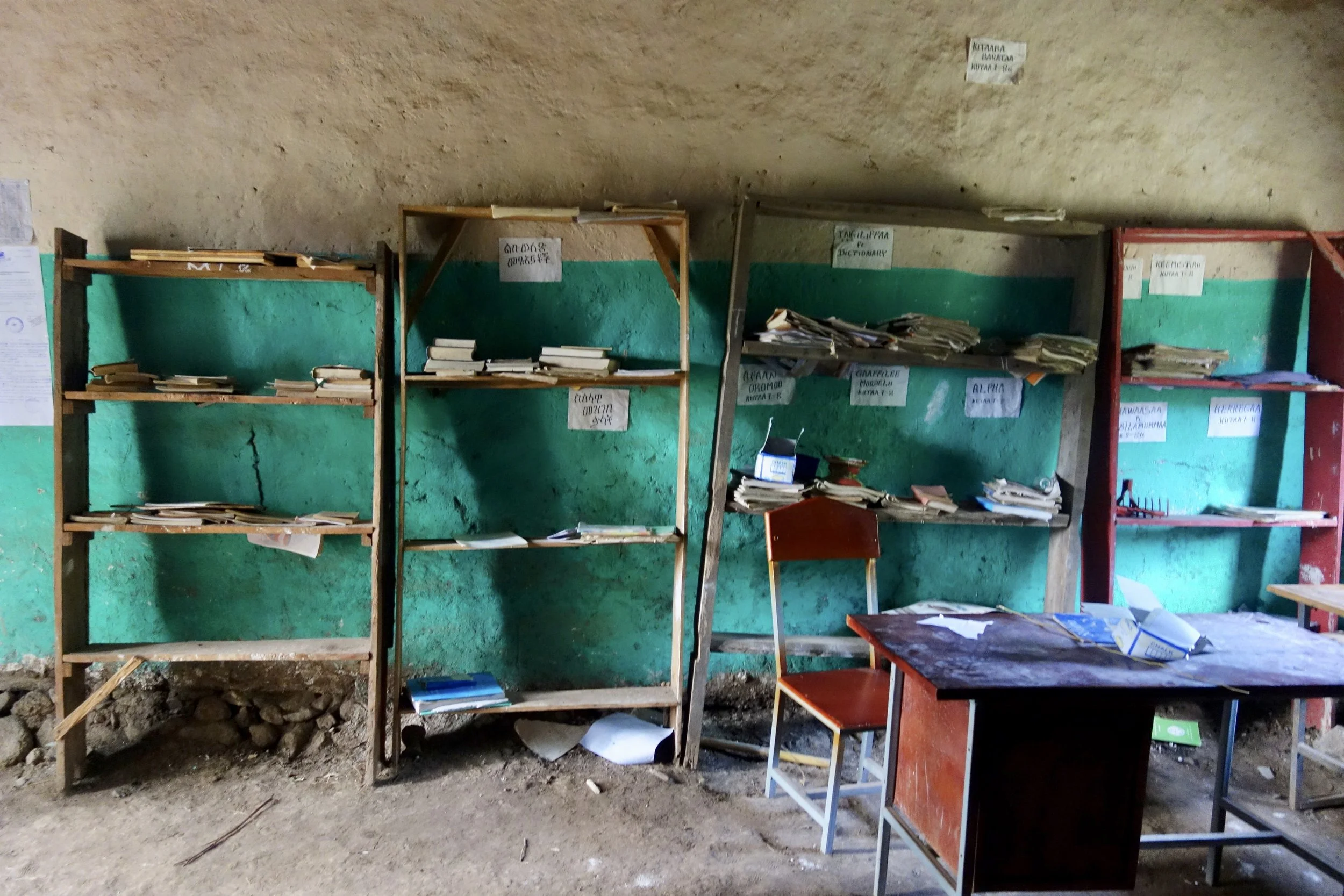
Old library
-
![]()
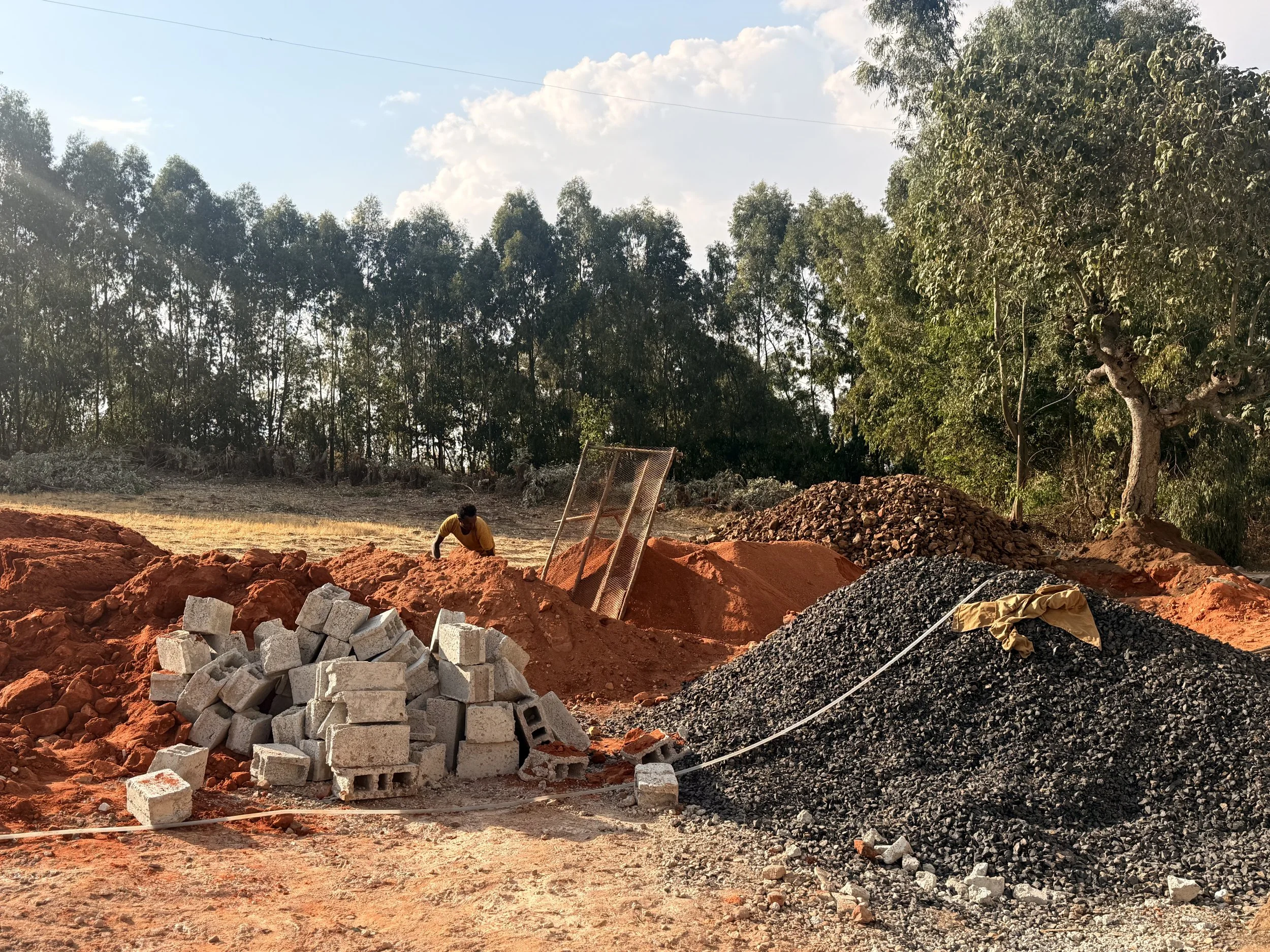
Construction material in Kube Chitu.
-
![]()
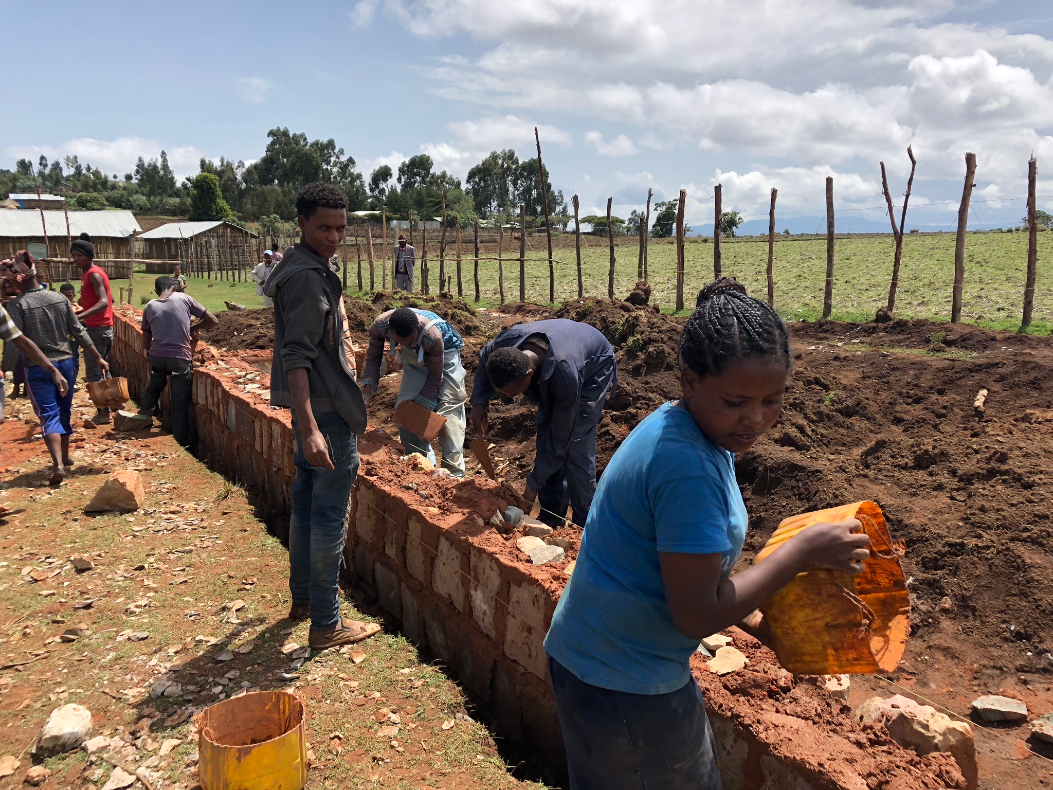
Villagers helping to build the foundation for a new classroom!
-
![]()
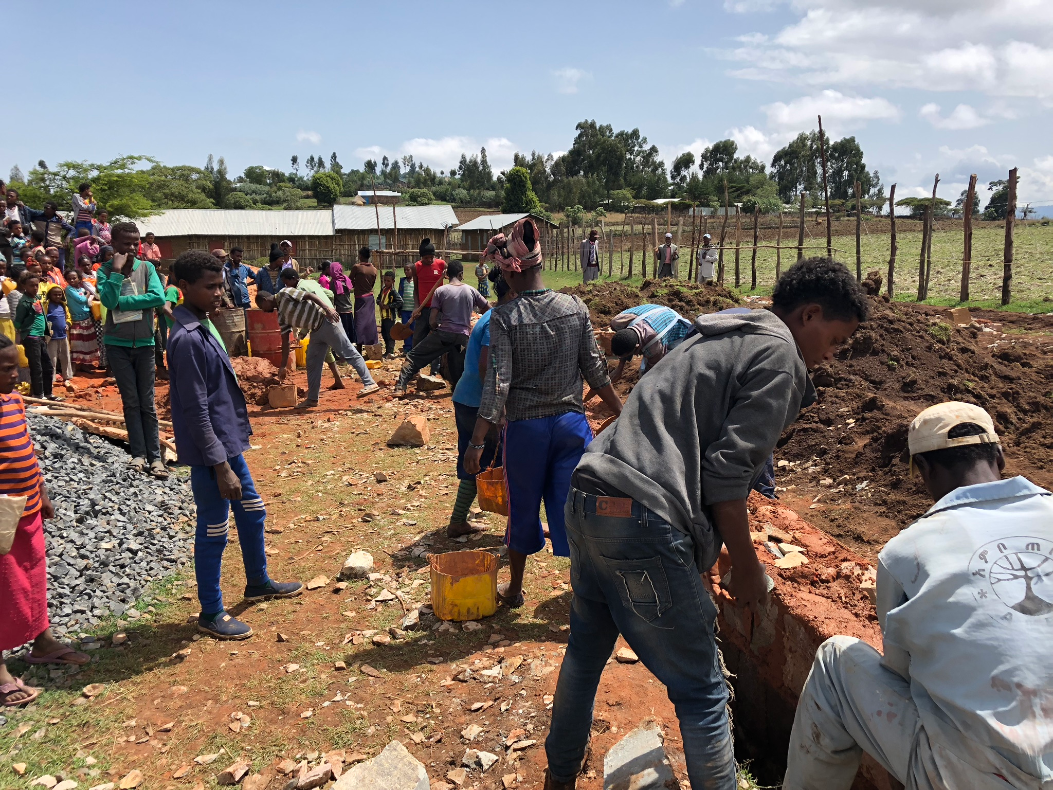
Everyone at work.
-
![]()
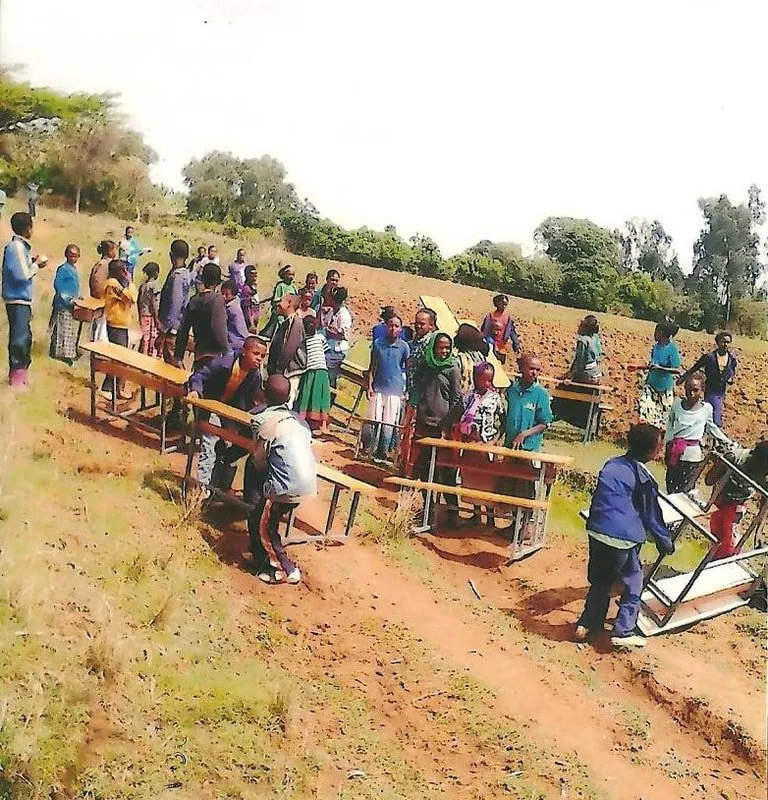
EVS had 60 desks built but was not able to deliver them all the way. The children were happy to carry them the last 20 minutes to the school!
-
![]()
New classroom
Nacaa Machari -
8 classrooms, furniture including desks and chairs
-
![]()
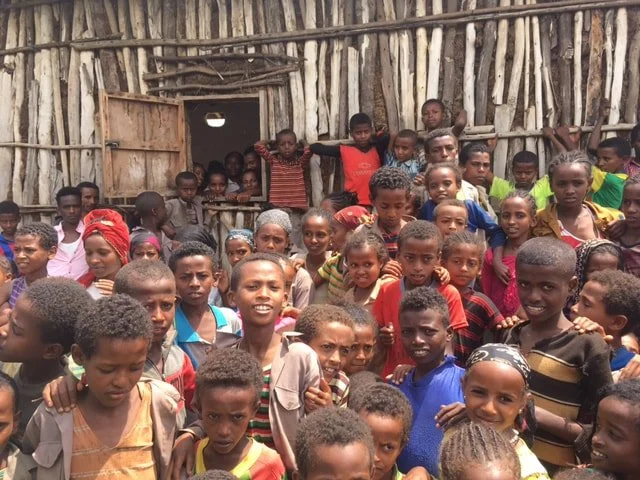
Students in front of old school.
-
![]()
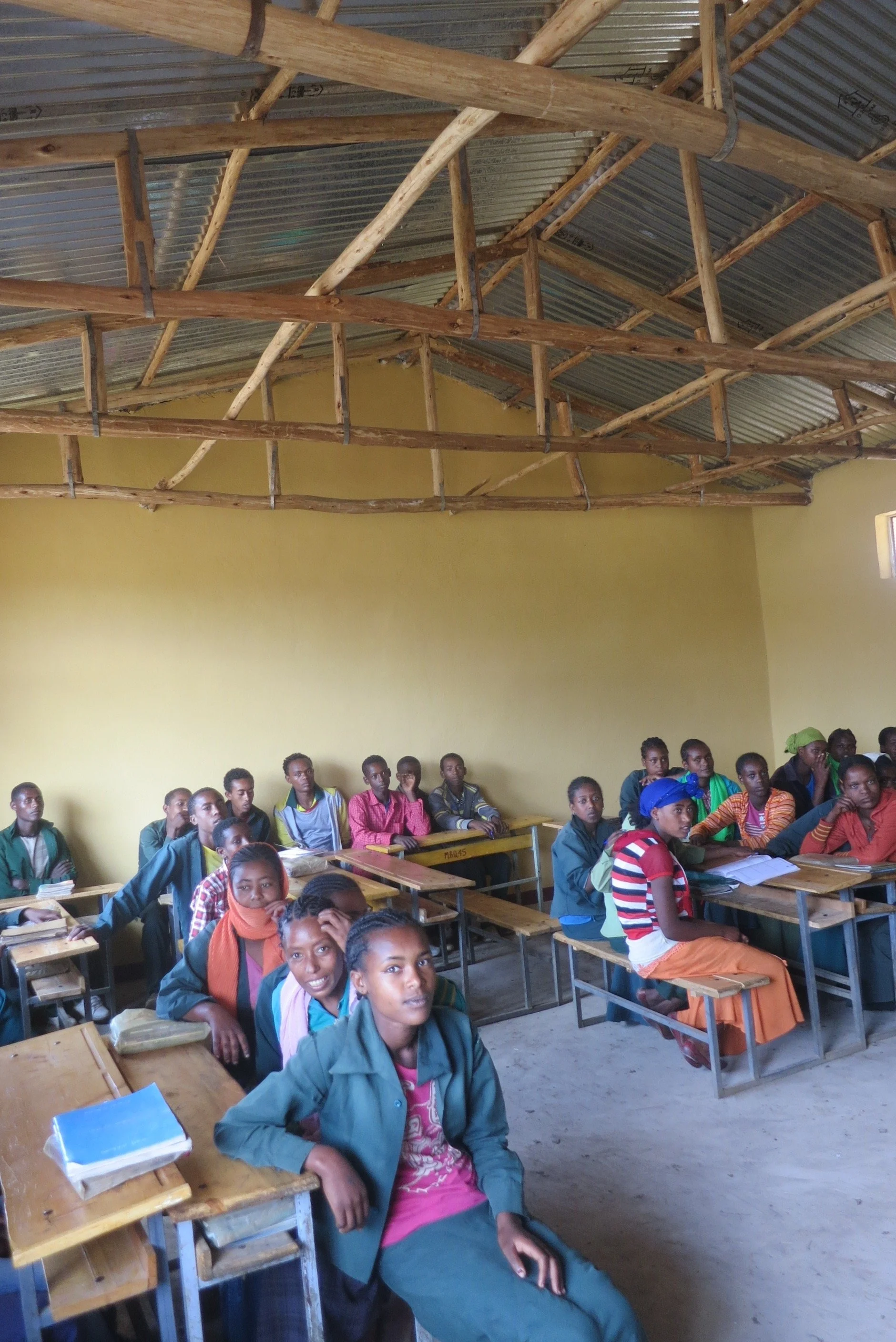
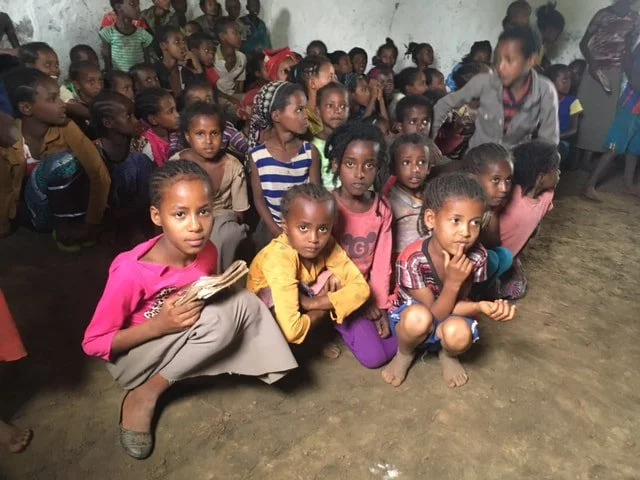
Children of Nacaa Mechari before receiving their new desks... sitting on the floor for class.
-
![]()
Standing in front of the new and old classrooms.
-
![]()
Nacaa Machari new building
-
![]()
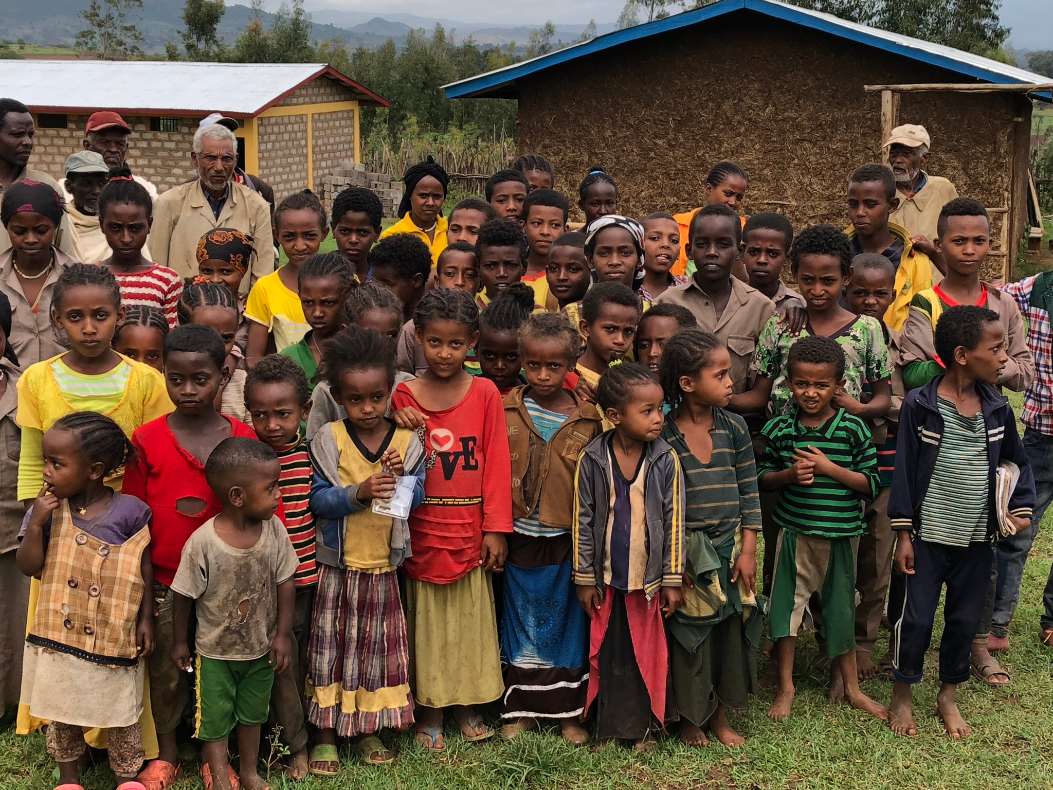
Nacaa Machari school yard with new buildings
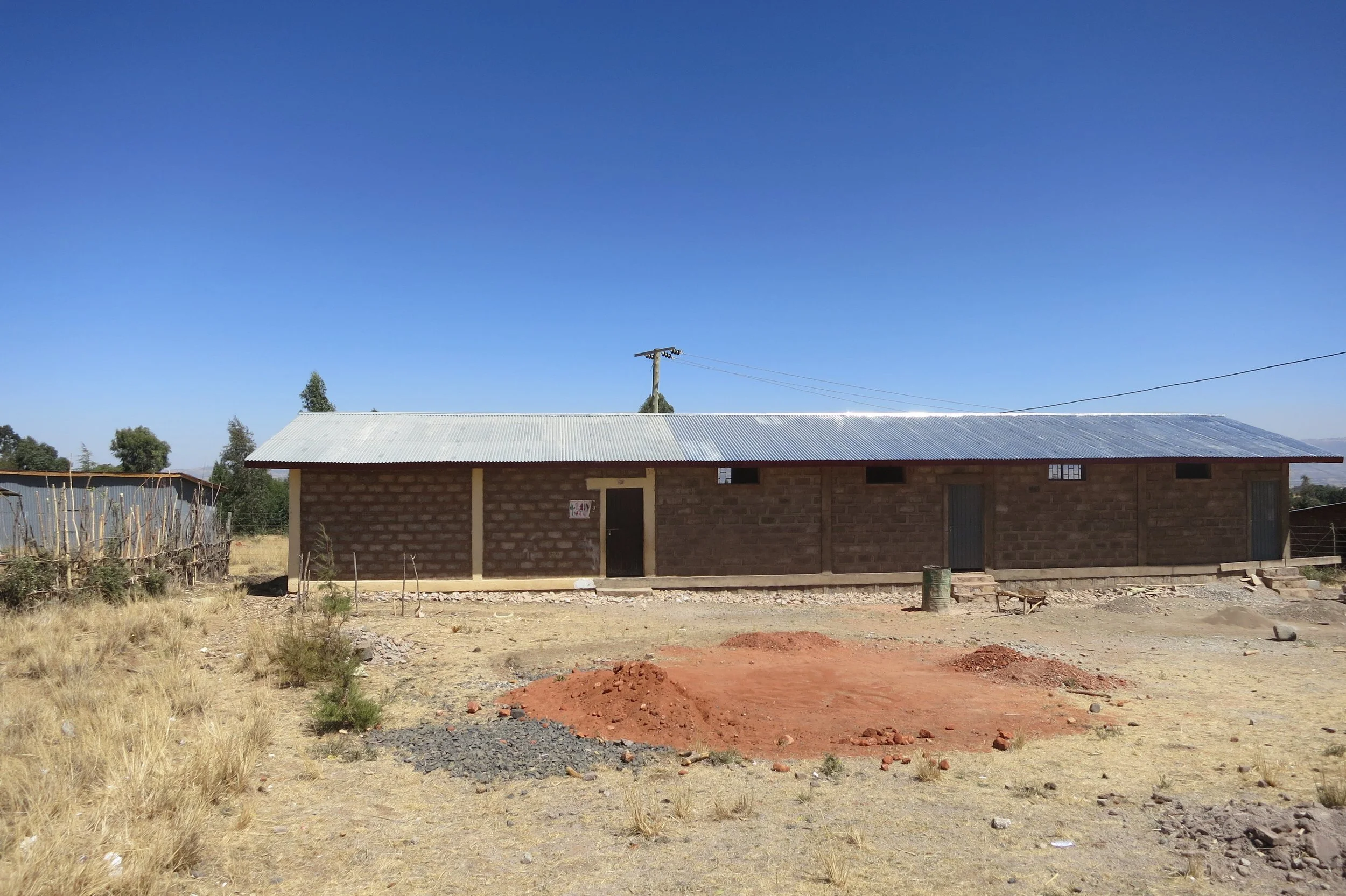

Kora Bela -
8 classrooms, 2 kindergarten rooms, library, girls’ room, director’s and teachers’ room, furniture
-
![]()
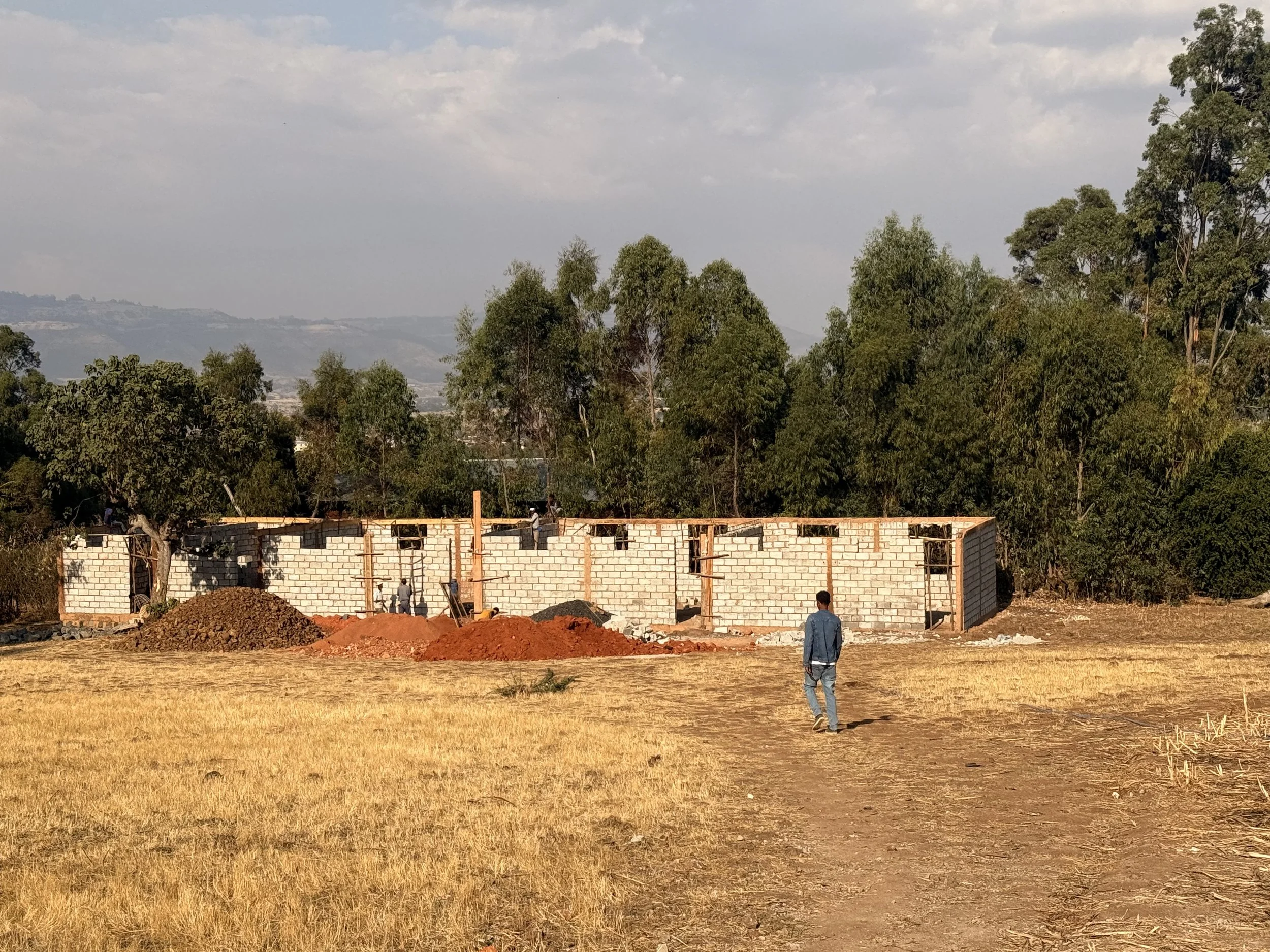
Construction site for future classrooms, library and kindergarten, and girl’s room
-
![]()
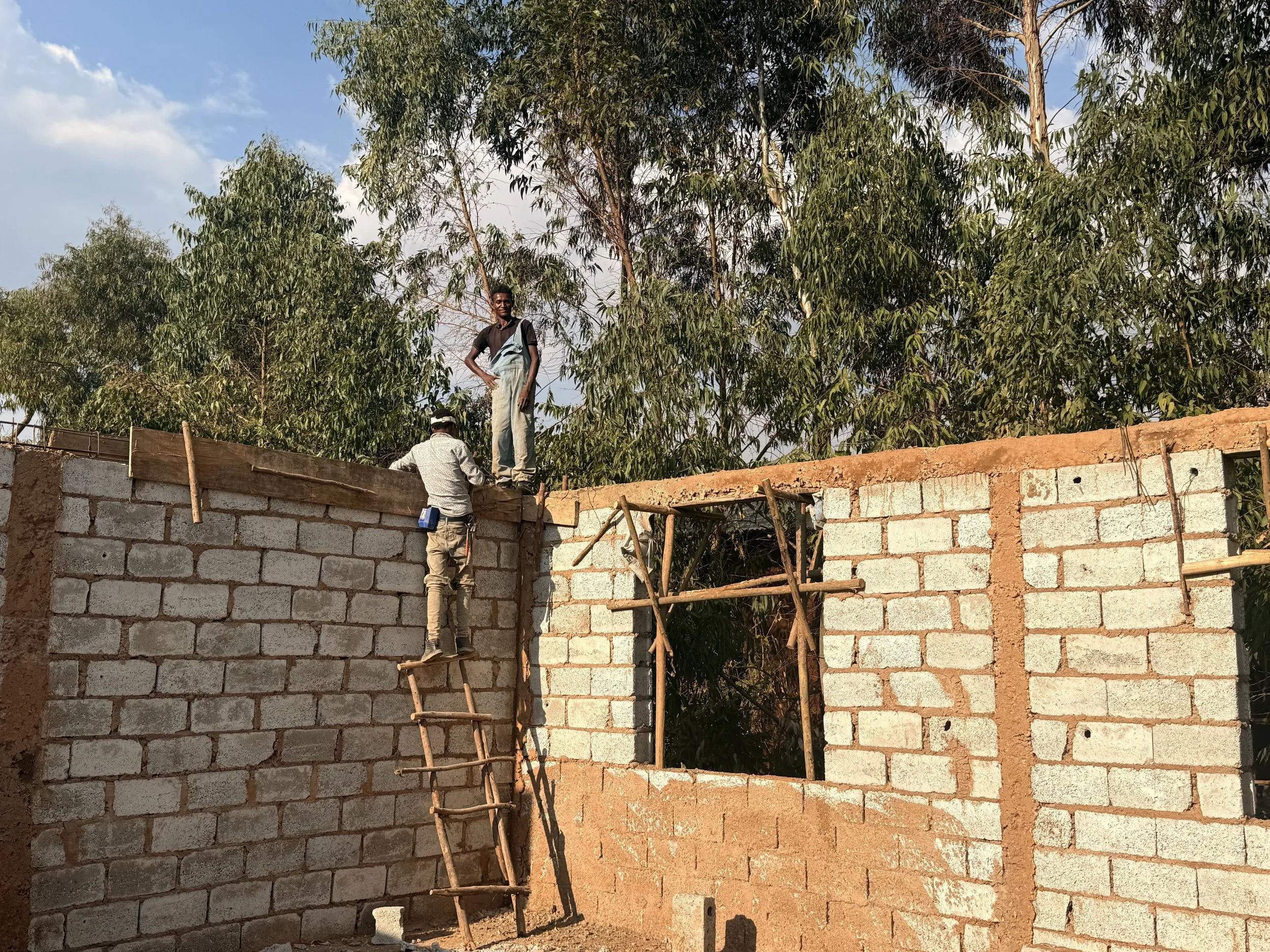
Construction site of 4 new classrooms
-
![]()
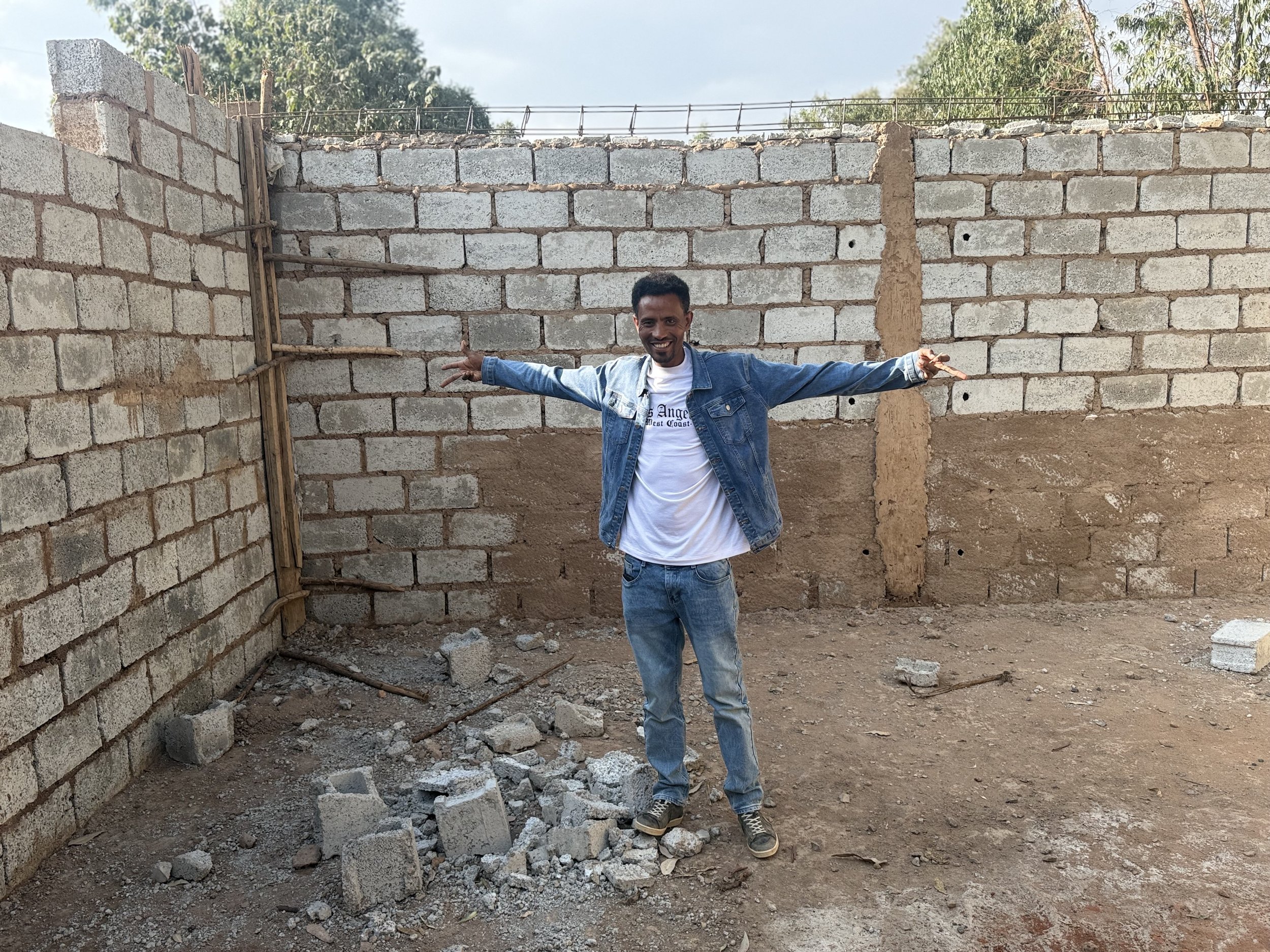
Construction site
Menstrual pads -
Girls were missing school due to a lack of supplies
-
![]()
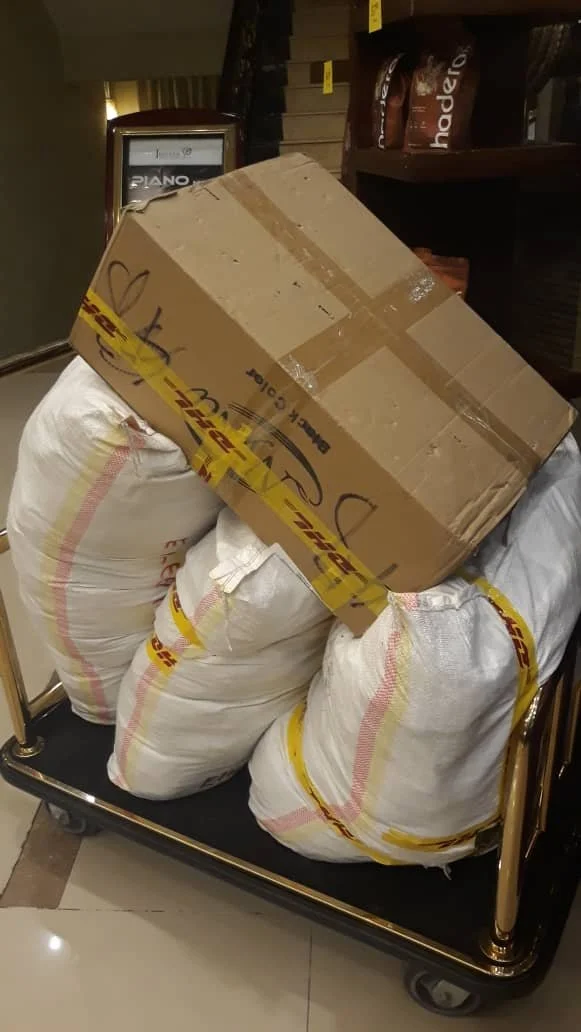
Picking up washable, reusable pads in Addis. These were purchased from Freweine Mehbratu, CNN hero of the year 2019 - she was honored for her work fighting stigma around menstruation in Ethiopia.
-
![]()
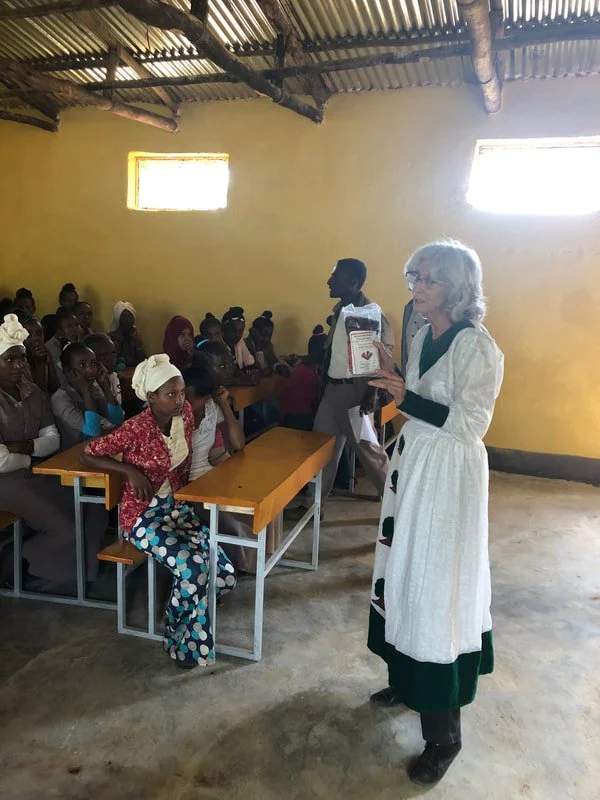
Eileen explaining to the girls of Naaca Mechari how to use the pads.
-
![]()
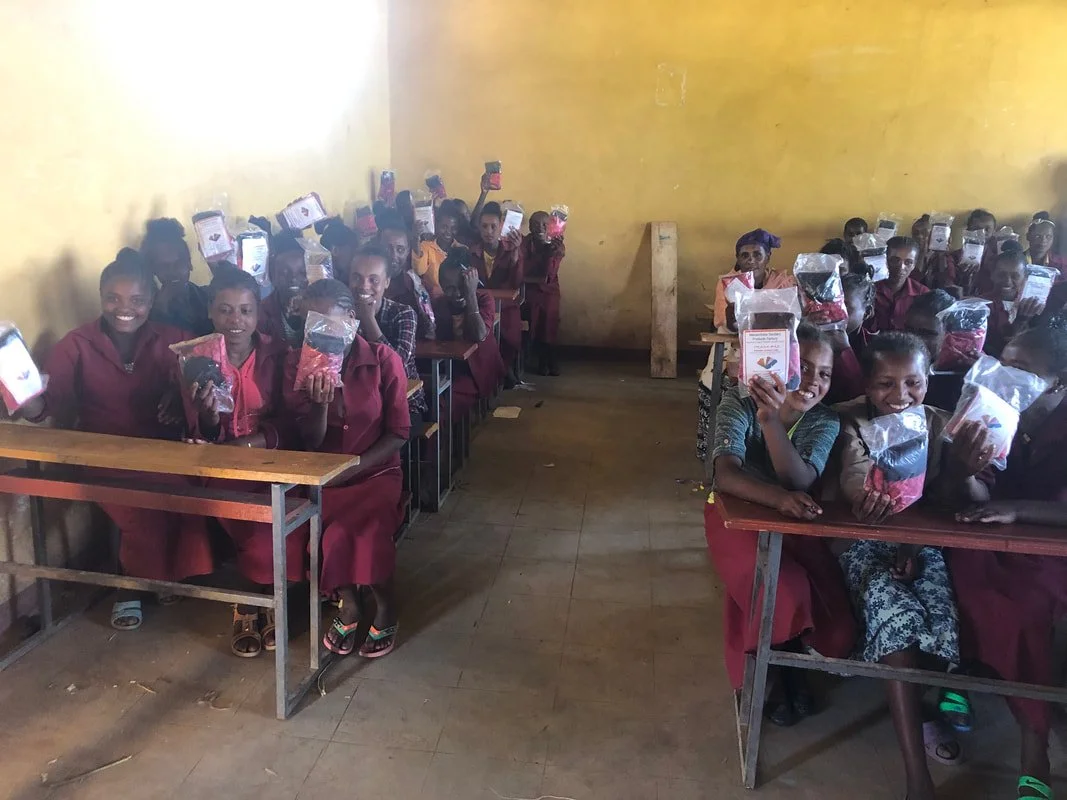
Girls with new pads.
-
![]()
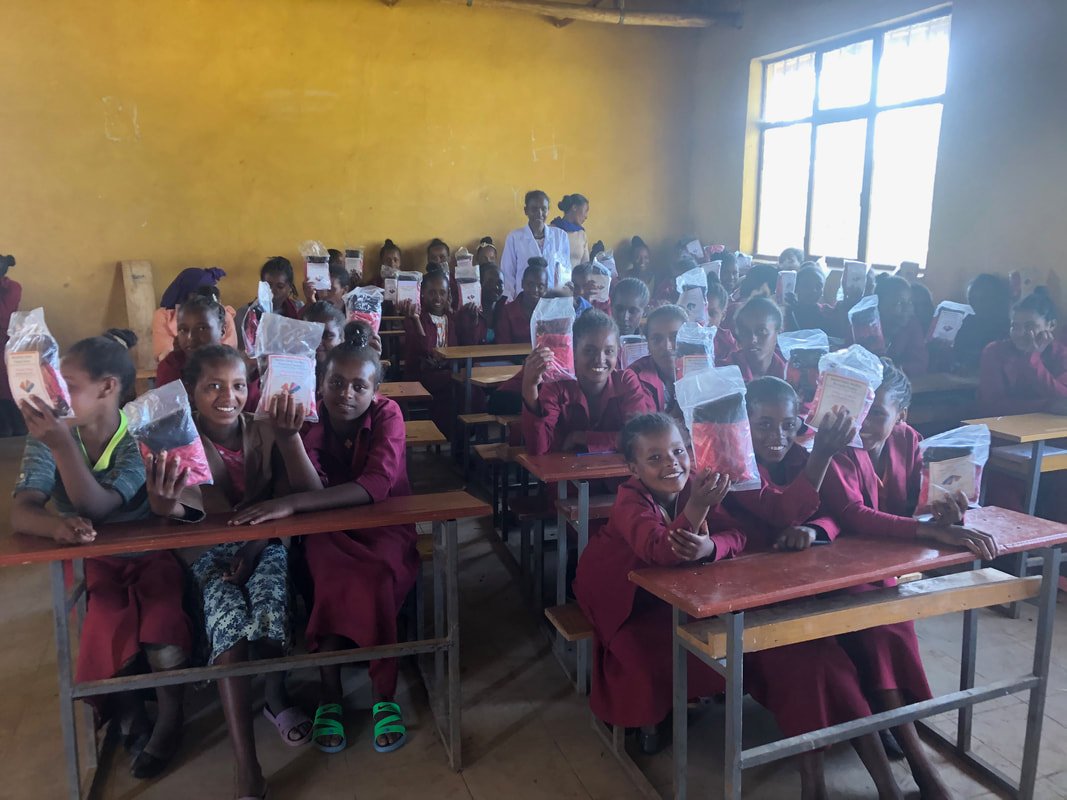
Girls excited to have new pads.
Personal stories
The story of E …. : Nacaa Machari Elementary School, 2019, as told by Eileen.
At the beginning of our sanitary pads program, I was alone with the girls in the school room. My Oromo was, and still is, not good. I was explaining how to use the pads and was receiving blank stares of incomprehension. Then, this little 14 year old girl stood up and repeated everything I said, in a way the girls understood. I continued, looking at her for help, and my little translator stayed with me for the entire presentation. For me it was love at first sight. Unfortunately, I did not return to Ethiopia the following year because of COVID. When I returned in 2021, E. was nowhere to be found. I reached out to everyone, made sure they all had my cell phone number so, if she resurfaced, she could call me. Then, one day, I got a call and it was E. Although, I was so happy to hear from her, it was short lived. Her parents were divorced, her new step mother didn't want her and her mother couldn't afford to keep her. At 16 years old, she was going to be sent to Saudi Arabia to work. Thanks to EVS' outreach, and our network of community elders and teachers, E. did not go to Saudi Arabia. Today, 20 year old E. lives in Addis Ababa and has just graduated from beauty school. I am so proud of her, she's an incredible, smart, ambitious and lovely young woman who just needed help and guidance at a critical moment in her life. Luckily EVS was there at that moment.
The Story of A …. : Kora Bela Elementary School, 2023, as told by Eileen.
While visiting the school, the director, asked me if I would meet a 6th grade girl with a physical disability and give her words of encouragement. Not knowing the child, I asked for a little background information. Her father had murdered her sister and had physically abused A . Her brother had committed suicide and she lived with her mother in a mud hut with no electricity or access to clean water. I also learned that she walked an hour every day to and from school and she was first in her class. When I was introduced to her, I saw this absolutely beautiful child who would not look me in the eyes or speak to me, other than to barely shake her head yes or no to my questions. She is one of thousands of kids in dire circumstances in Ethiopia, but once you meet one specific child you cannot turn. First, the director and another teacher from Kora Bela tracked down an aunt who then gave us the family permission to move her from her living situation. They met with teachers and the director of a school in Ambo and got her school records transferred. Dr. Thomas Eusterbrock, another EVS board member, set up an appointment with a specialist in Addis Ababa for her first ever doctor's visit. Moti, our builder, found her a place for her to live right next to his home, where he could keep an eye on her and make sure she was safe. Today, A. is preparing to go to high school. When we facetime together, she talks to me (shyly and timidly), even blows me kisses! She said she wants to be a teacher. I don't know how far A. will go with her dreams, it will not be an easy path for her, but she is safe, loved and cared for by her new community. This would not have happened without EVS' involvement in Kora Bela and our commitment to all the children in all our schools.
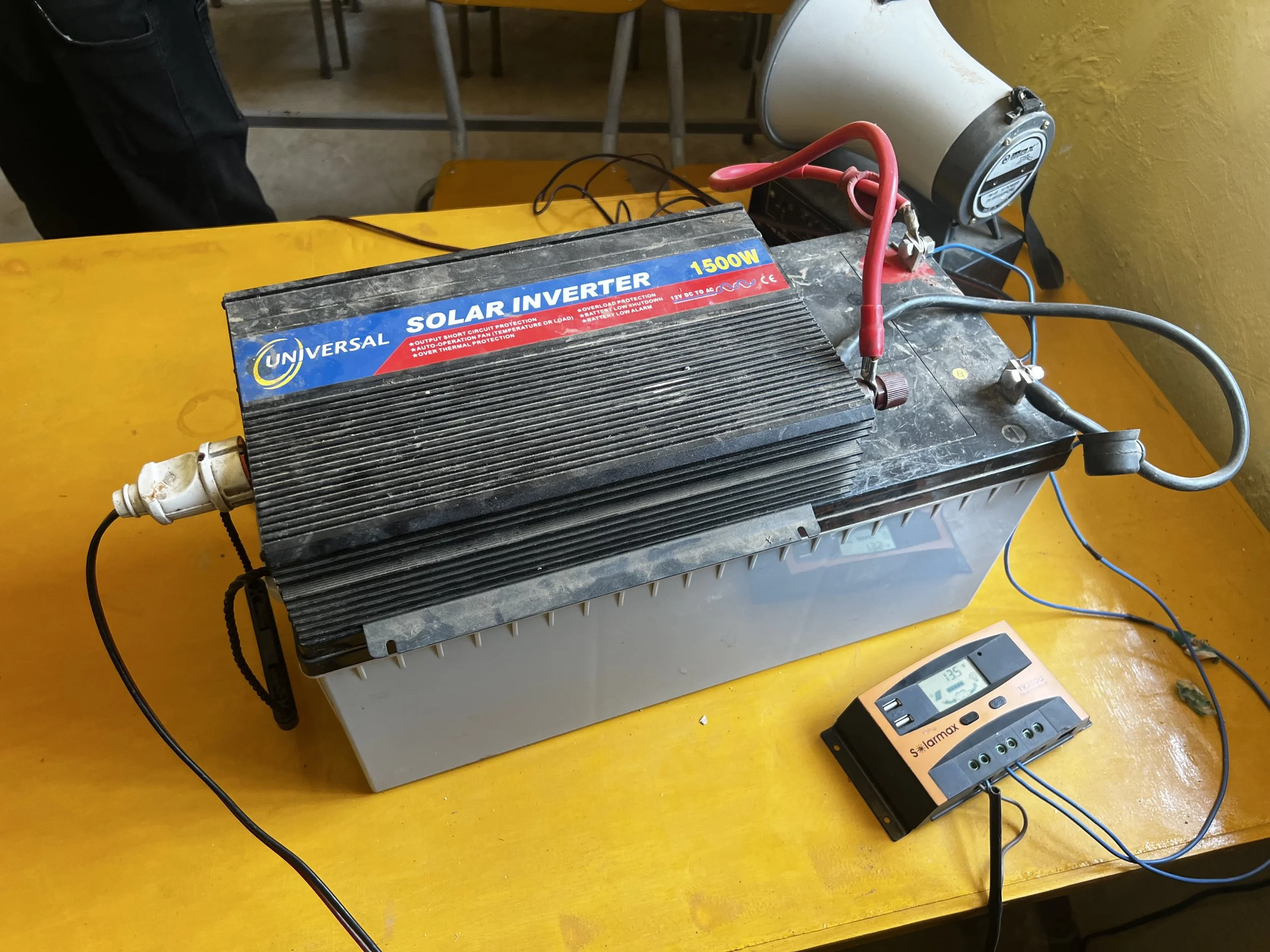
Photovoltaic power
Future Plans
2 new kindergarten classrooms in Nacaa Machari
New library and new girls’ room for Nacaa Machari
Director’s office and teachers’ office for Nacaa Machari
New furniture for Nacaa Machari incl. chairs, desks, shelves
2 kindergarten classrooms for Qibaa
New girls’ room for Qibaa
Teachers’ office for Qibaa
New necessary furniture for Qibaa
Maintenance work for all existing schools
Possibly photovoltaic energy for at least one school
Only the schools in Bilo and Kora Bela have intermittent access to electric power, not enough to run computers, only to charge phones. The school in Qibaa had 1 solar panel to provide minimal power to charge phones - now defunct. We are currently discussing potential cooperation of EVS with the Electrical Engineering Departments of the University and the Polytechnical College in Ambo, with the goal to combine efforts and resources of EVS and the two departments to support a photovoltaic electricity program at at least one of the schools. This could serve to modernize some of the teaching methods by the use of computers, projectors, printers etc. It would also provide teachers with lighting when they have to live at the school site during the week.